
Lake Manyara National Park is a small but exceptionally varied national park in northern Tanzania, making it one of the most rewarding stops on the classic northern safari circuit. Covering approximately 330 square kilometers (of which about two thirds is the alkaline Lake Manyara itself), the park lies at the base of the western wall of the Great Rift Valley, roughly 125 km (2 – 2.5 hours’ drive) west of Arusha.
Despite its modest size, Lake Manyara packs an impressive diversity of habitats into a narrow strip between the lake and the steep Rift Valley escarpment: lush groundwater forest fed by underground springs, open grassland savannah, acacia woodlands, hot springs, and the shimmering soda lake. The dramatic backdrop of the escarpment rising 600 meters above the valley floor creates stunning views and a sense of being in a hidden, verdant world.
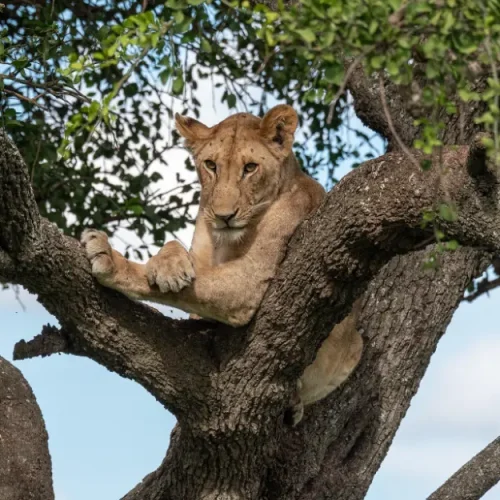
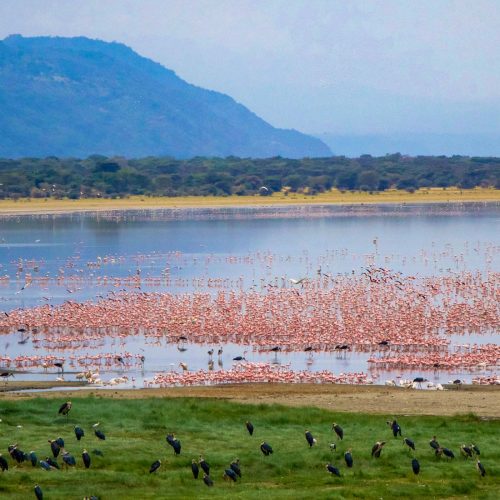
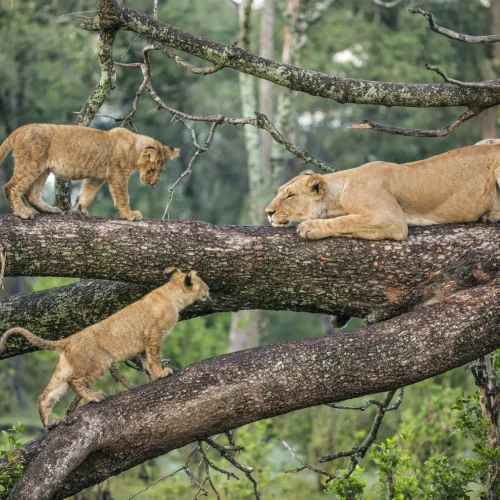
The park is especially famous for its tree climbing lions, a rare behavior where lions regularly climb into fig and sausage trees to rest or escape heat and insects. It is also renowned for large flocks of flamingos, abundant baboons, and excellent birdwatching. Often visited as the final stop on a northern circuit safari, Lake Manyara offers a peaceful, intimate contrast to the vast plains of the Serengeti or the crater floor of Ngorongoro.
Lake Manyara may be small, but its wildlife is prolific and easy to spot thanks to the concentrated habitats.
Our experienced local guides at Kiwoito Africa Safaris know the park’s trails intimately, helping you locate the tree climbing lions, find active elephant herds, and spot rare forest birds.
Lake Manyara is rewarding year round, with seasonal highlights:
Lake Manyara works beautifully as a half day or full day excursion, or as the final stop in a multi park northern circuit that includes Tarangire, Serengeti, and Ngorongoro.
As a proudly Arusha based, locally owned operator, Kiwoito Africa Safaris creates tailor made luxury safaris with genuine care and deep knowledge of the land. Our guides, many born and raised in northern Tanzania, know Lake Manyara like their own backyard, locating tree climbing lions, tracking elephant herds through the forest, and sharing insights on the park’s unique ecology and conservation efforts. We are committed to responsible tourism, supporting anti poaching initiatives and local communities while delivering outstanding value, flexibility, and personal attention that larger international operators often cannot match. Travelers consistently praise our warmth, professionalism, and the way we make every safari feel personal and unforgettable.
Contact Kiwoito Africa Safaris today for a free, no obligation personalized quote. Let us introduce you to Lake Manyara, where lions climb trees, flamingos paint the lake pink, and the Great Rift Valley unfolds in breathtaking beauty.
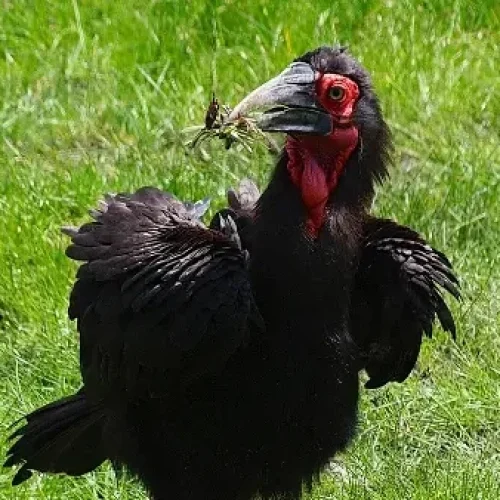
Lake Manyara National Park is unique for its incredible diversity packed into a small area. It is famous for its tree-climbing lions, large flocks of flamingos on the lake, and a mix of habitats including acacia woodlands, groundwater forests, and soda lakes. This variety supports a wide range of wildlife, from elephants and hippos to over 400 bird species, making it a must-see safari destination.
Yes, Lake Manyara National Park is definitely worth visiting, especially for those looking for bird watching, scenic landscapes, and wildlife encounters in a compact area. It is ideal for short safaris and is often combined with trips to Tarangire or the Ngorongoro Conservation Area. Even a half-day visit can provide memorable wildlife experiences.
The main differences are in size, landscape, and wildlife experiences. Lake Manyara is smaller and more accessible, featuring a soda lake, dense forests, and tree-climbing lions. Ngorongoro Conservation Area is much larger and includes the famous Ngorongoro Crater, a massive caldera hosting thousands of animals in a more open savannah landscape. Many visitors combine both parks for a varied safari experience.
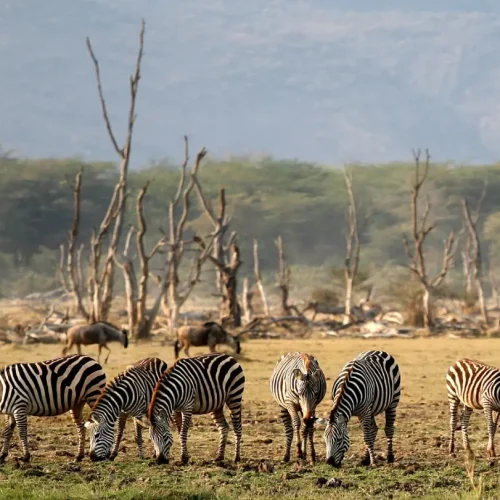
Expect elephants, hippos, giraffes, buffaloes, wildebeest, zebra, tree-climbing lions, and over 400 species of birds including flamingos, pelicans, and storks.