
Jozani Forest, part of Jozani Chwaka Bay National Park, is Zanzibar’s only national park and one of the island’s more distinctive nature experiences, known for its endemic wildlife, forest habitats, and mangrove boardwalk. Originally established as a reserve in 1960 and designated a protected area in 1984, the park covers around fifty square kilometers made up of coral rag forest, mangrove swamp, evergreen bushland, and salt marsh. As local experts at Kiwoito Africa Safaris in Tanzania, we arrange this outing for many guests, who often come away pleased with how close they were able to get to the endangered Zanzibar red colobus monkeys and the quiet, layered scenery of the mangroves.
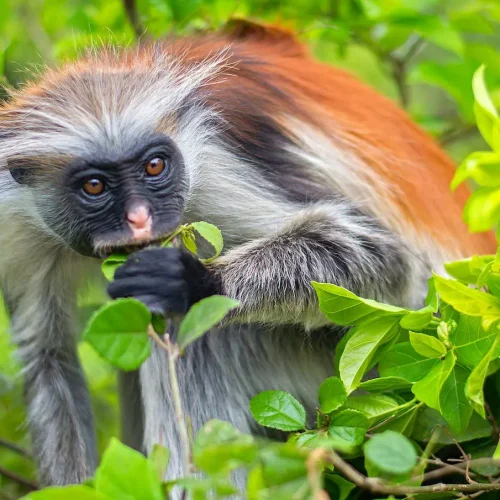
A guided walk leads through shaded trails of mahogany and other tall trees, where red colobus monkeys, a species found only on Zanzibar, move through the canopy, feed on leaves, and are generally unafraid of visitors, though touching them isn’t permitted. The population has recovered in recent decades to an estimated six thousand individuals, up from around fifteen hundred in the 1990s, and the monkeys tend to live in groups of thirty to fifty, making sightings fairly reliable, particularly earlier in the day when they’re most active and feeding. Guides also point out some of the park’s other residents along the way, including Sykes’ monkeys, bushbabies, duikers, butterflies, and various plants used in traditional medicine, along with a number of the forest’s more than forty recorded bird species. From the forest section, the walk continues to the Pete-Jozani Mangrove Boardwalk, an elevated wooden path that winds through the flooded mangrove swamp, offering a different, quieter perspective on the park’s ecosystem.
This makes for a good addition to a beach stay, a stop paired with a spice tour after a safari, or simply a shorter, calmer outing for anyone wanting a look at Zanzibar’s forest and wildlife without committing a full day. The standard visit generally takes one and a half to two hours, though it can run longer for visitors who ask a lot of questions along the way, and it tends to work well for families, since children generally enjoy the monkeys and the trails are flat and easy to walk.
A few things set Jozani apart as a stop in Zanzibar. The red colobus monkeys are endemic to the island and endangered, and seeing them at close range in the forest, rather than in captivity, is the main draw for most visitors. The mangrove boardwalk offers a very different setting from the forest trail, with the elevated path giving good views over the tangled mangrove roots and the water below. Beyond the monkeys, the park supports a reasonable range of other wildlife, including birds, butterflies, and smaller mammals, and every visit includes an official park ranger guide, who is included in the entrance fee and explains the park’s ecology and conservation work as you walk. The trails themselves are flat and shaded, without any strenuous hiking involved, which keeps the visit accessible for most travelers.
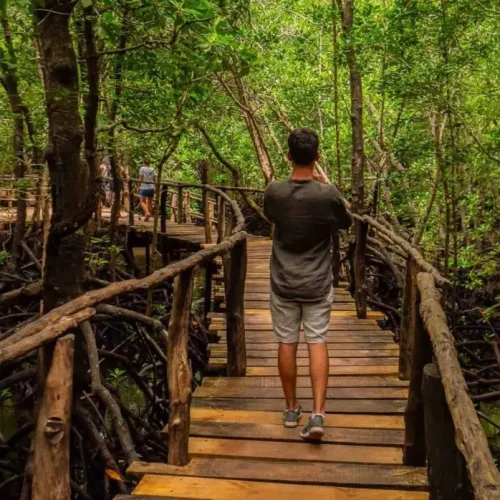
Most visits start with a hotel pickup, whether from Stone Town, the east coast beaches around Paje and Jambiani, or the north of the island, with the drive to the park generally taking forty five minutes to an hour depending on the starting point. On arrival, a park ranger guide joins the group, since a guide is required to enter and cannot be skipped in favor of an informal helper outside the gate. The walk usually begins in the forest, looking for red colobus monkeys and, on occasion, Sykes’ monkeys, among the trees, with morning visits generally offering the best chance of catching the monkeys active and feeding before the midday quiet sets in. From there, the group crosses to the Pete-Jozani mangrove section for the boardwalk walk, a peaceful stretch that many guests find just as memorable as the monkeys themselves. Many itineraries also include a short stop at the small butterfly enclosure and visitor center nearby for a closer look at some of the park’s smaller wildlife. The return drive brings guests back to their hotel, with the full outing, including transfers, generally running between three and five hours.
The park is open daily from around seven thirty in the morning to five in the afternoon, with last admission generally around four thirty. It can be visited comfortably throughout the year, though arriving early, ideally by eight thirty or nine, gives the best chance of seeing the red colobus monkeys active rather than resting higher in the canopy later in the morning, when larger tour groups also tend to arrive. Comfortable closed shoes are worth wearing, since parts of the trail and boardwalk can be muddy, along with insect repellent, a hat, sunscreen, and water. A camera is worth bringing too, along with a small amount of cash for tips or souvenirs at the end of the visit. Both shared group tours and private visits are available, with private tours offering a more flexible pace for those who want to linger. Prices typically range from about forty to seventy US dollars per adult including transfers, with the standalone park entrance fee, which includes the guide, generally running around ten to twelve US dollars, or roughly twelve to fifteen thousand Tanzanian shillings.
Jozani Forest offers a quieter side of Zanzibar, away from the beaches, with a genuine chance to see one of the island’s endemic species up close alongside a walk through the mangroves. Many guests describe their first sighting of a red colobus monkey as a highlight of the visit, and the mangrove boardwalk tends to leave just as strong an impression.
Contact us at Kiwoito Africa Safaris for a personalized quote or booking, whether on its own or paired with a beach stay, Safari Blue, or the rest of your Tanzania itinerary. As locals, we know the best timings and trails to make the most of your visit.
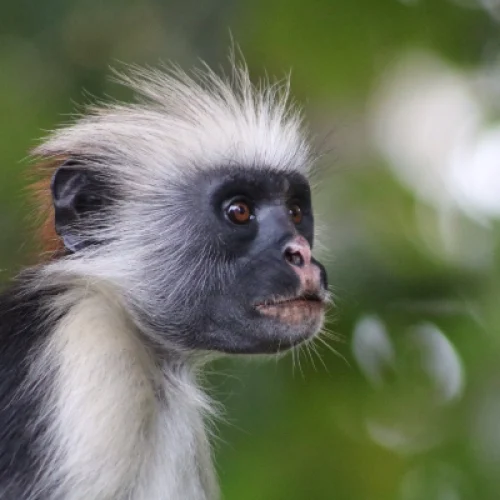
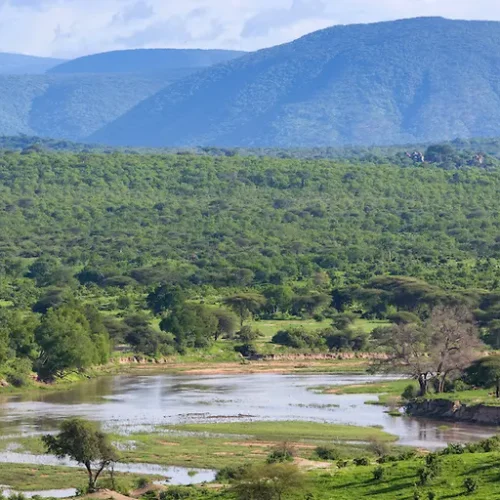
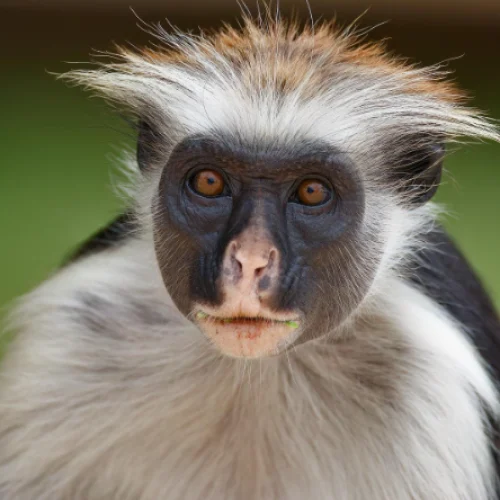
Jozani Forest Zanzibar is the largest remaining indigenous forest on Unguja Island and forms the heart of Jozani–Chwaka Bay National Park, the only national park in Zanzibar. It is internationally recognized for its rich biodiversity, tropical vegetation, and as the primary habitat of the endangered Zanzibar Red Colobus Monkey. The park also protects groundwater forests, mangrove ecosystems, and numerous plant and animal species unique to the island.
The highlight of Jozani Forest Zanzibar is the endangered Zanzibar Red Colobus Monkey, a species found nowhere else in the world. Visitors may also encounter Sykes’ monkeys, bush babies, Aders’ duikers, tree hyraxes, numerous butterfly species, and a wide variety of birds, reptiles, and insects. The mangrove boardwalk also supports crabs, fish, and coastal birdlife.
Jozani Forest Zanzibar is located approximately 35 kilometers southeast of Stone Town, making it about a 45 to 60-minute drive from the city. The park is conveniently situated along the road connecting Stone Town with the popular beaches of Paje, Jambiani, Bwejuu, and Michamvi, making it an ideal stop during a day tour.
The Zanzibar Red Colobus Monkey is endemic to Zanzibar, meaning it exists naturally only on the island. Known for its reddish-brown coat, expressive face, and social behavior, it is one of Africa’s rarest primates. Conservation efforts within Jozani Forest have played an important role in protecting this endangered species and its natural habitat.
Kiwoito Africa Safaris offers professionally guided Jozani Forest Zanzibar tours that provide an enriching and responsible wildlife experience. Our knowledgeable local guides share fascinating insights into the forest’s ecology, endemic wildlife, and conservation efforts while ensuring a comfortable and enjoyable visit. Whether you are exploring Zanzibar on its own or combining the island with a Tanzania safari, we can create a personalized itinerary that includes Jozani Forest alongside the island’s best beaches, marine adventures, and cultural attractions.
Jozani Forest plays a vital role in conserving Zanzibar’s unique ecosystems. The protected area safeguards endangered wildlife, preserves native forests and mangrove habitats, supports scientific research, and promotes sustainable eco-tourism that benefits local communities while protecting the island’s biodiversity.
Yes. Many travelers combine Jozani Forest Zanzibar with Blue Lagoon Snorkeling, Kuza Cave, The Rock Restaurant, Butterfly Centre, Paje Beach, Jambiani Beach, or a Spice Farm Tour. These combinations offer an excellent balance of wildlife, culture, marine activities, and relaxation during a Zanzibar holiday.
Jozani Forest Zanzibar can be visited throughout the year. Morning visits are especially popular because wildlife is often more active and temperatures are cooler. The dry seasons from June to October and December to March generally provide comfortable conditions for walking and photography.
Most guided Jozani Forest Zanzibar tours last between 2 and 3 hours. Visitors who combine the forest with nearby attractions such as Kuza Cave, Blue Lagoon, or The Rock Restaurant often spend a full day exploring Zanzibar’s southeast coast.