
The Zanzibar Local Market Visit takes you straight to the bustling core of island life at Darajani Market (also known as Stone Town Market), a sensory explosion of colors, aromas, and sounds where locals shop, haggle, and connect every day, a genuine cultural immersion loved by travelers who want to experience Zanzibar beyond the beaches and tourist spots. As local experts at Kiwoito Africa Safaris in Tanzania, we’ve guided many guests through these lively markets after their northern safaris or during Stone Town stays. They come back energized by the intoxicating scent of fresh spices, the sight of towering piles of tropical fruits, the chatter of friendly vendors, and the thrill of trying Zanzibari street snacks or bargaining for souvenirs.
Centered in the historic heart of Stone Town (just a short walk from most hotels and attractions), Darajani Market is Zanzibar’s main bazaar, established over a century ago and still thriving as the go-to spot for everything from cloves, cinnamon, and nutmeg (Zanzibar’s famous spices) to fresh seafood, vibrant fruits like mangoes and jackfruit, vegetables, meats, fabrics, and household goods. Sections buzz with activity: spice stalls wafting exotic scents, fish vendors displaying the morning catch, fruit sellers calling out deals, and tailors or craft vendors offering kanga fabrics and handmade items. It’s chaotic in the best way, full of energy, smiles, and opportunities to chat with locals who love sharing stories when you show genuine interest.
This flexible half-day or short visit suits curious couples, families introducing kids to real culture, food lovers sampling local flavors, or anyone wanting an authentic slice of Swahili life to pair with a spice tour, Stone Town walking exploration, Forodhani night market dinner, or a beach extension. Morning visits catch the freshest produce and liveliest vibe, while it’s a great way to support local vendors directly.
Hotel pickup from Stone Town accommodations (or easy walking access), then head straight into the vibrant lanes leading to Darajani Market.
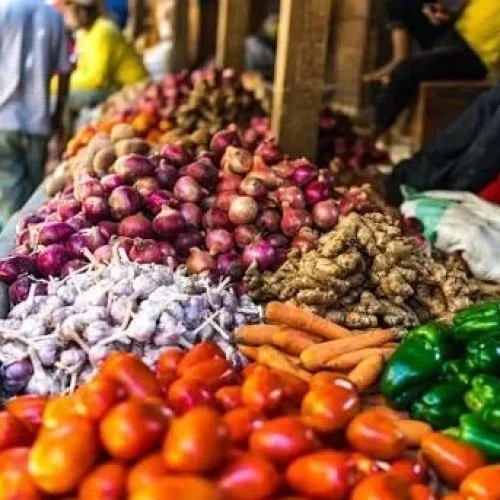
This isn’t just shopping, it’s plunging into the lively pulse of Zanzibar: the spicy air filling your lungs, vendors’ warm greetings, the joy of tasting something fresh-picked, and the feeling of connecting with real island life. Guests often say it’s one of the most authentic and memorable parts of their trip, adding depth after wildlife safaris or beach relaxation.
Contact us at Kiwoito Africa Safaris today for your personalized quote, easy booking, or to combine it with your Stone Town tour, Forodhani night food market, spice farm visit, or full Zanzibar extension. We’re locals who know the best times to go, the friendliest vendors, and how to make your market experience fun, respectful, and unforgettable. Karibu sana, welcome to the colorful chaos of Zanzibar’s markets!
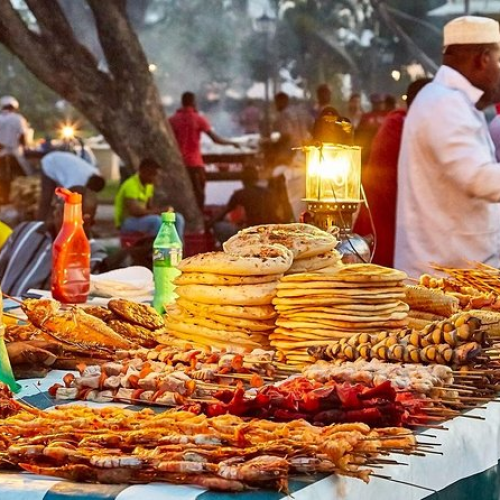
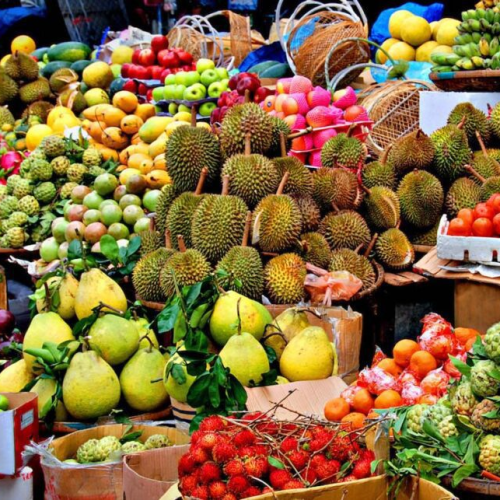
You can explore vibrant markets, discover local spices, fresh produce, seafood, handmade crafts, and experience the authentic daily life and culture of Zanzibar.
Darajani Market is one of the most popular markets, offering a true glimpse into local Zanzibari culture, food, and traditions.
Yes, it is a great cultural experience for visitors who want to interact with locals, learn about island traditions, and discover unique souvenirs.
The best time is usually in the morning when the markets are busiest, with fresh products available and a lively local atmosphere.