
Bawe Island snorkeling is one of Zanzibar’s captivating underwater adventures, a short boat trip from Stone Town to coral reefs that support a wide variety of marine life in clear waters. As local experts at Kiwoito Africa Safaris in Tanzania, we arrange this outing for many guests, who return having seen colorful fish, healthy corals, and sometimes turtles, in a spot that sees fewer visitors than some of Zanzibar’s busier snorkeling sites.
The boat ride out, typically between fifteen and forty-five minutes depending on the operator and departure point, takes you to the reef around Bawe Island, which forms the second-largest coral barrier in Zanzibar. Along the south side of the island, a long, shallow reef stretches the length of the coastline, making it well suited to snorkelers and beginner divers, while the north side features a deeper coral wall favored by more experienced divers. In these waters, visitors can spot schools of tropical fish, parrotfish, batfish, moray eels, and sea stars, and, with some luck, blue-spotted stingrays or a passing turtle. The calm, relatively protected waters around the island generally offer good visibility, and a guide typically accompanies the group to point out notable sightings along the reef. Many tours combine the visit with a stop at Prison Island, known for its resident population of giant Aldabra tortoises, or add a stop at a nearby sandbank for relaxation.
Beyond its marine life, Bawe Island carries a piece of regional history: in 1870, it was used to anchor the first telegraph cables linking Zanzibar with Aden, South Africa, and the Seychelles, with a further line running across to Stone Town. Whether adding this snorkel session to a Stone Town stay, pairing it with a Prison Island visit or sandbank stop, or fitting it in after a northern Tanzania safari, Bawe Island snorkeling offers a few hours of calm, reef-based exploration, generally taking between three and six hours including transfers. It suits beginners, families, and couples looking for a quieter alternative to more heavily visited sites such as Mnemba Atoll.
Guests tend to value a few things about this outing in particular. The reef around Bawe remains in relatively good condition and sees fewer visitors than some of Zanzibar’s more established snorkeling spots, which makes for a calmer experience in the water. The marine life is varied, with colorful reef fish, occasional turtle sightings, and generally good visibility for most of the year. Access is straightforward, since the boat ride from Stone Town is short and the reef itself sits in comparatively calm, sheltered water suited to a range of swimming abilities. Many operators also offer the option to combine the trip with Prison Island or a sandbank stop, and the overall pace of the day tends to be relaxed, with time built in for floating, photography, and simply enjoying the water rather than covering long distances.
A typical day starts with hotel pickup from Stone Town or nearby areas, followed by a transfer to the jetty where the boat departs. The ride out to the Bawe reefs is scenic, following the coastline past some of Stone Town’s historic waterfront buildings, and it’s not unusual to spot dolphins along the way. Once at the reef, the guide typically leads the group through a couple of snorkeling stops at different points along the coral, since conditions and marine life can vary from one section of the reef to another. Snorkeling gear is provided, and between sessions in the water there is usually time to relax on the boat, take photographs, or stop briefly at a sandbank if that’s included in the itinerary. Many tours also serve fresh tropical fruit and bottled water on board. The return trip brings guests back to the jetty and on to their hotel, with the full outing generally running between three and six hours depending on whether it’s a half-day or full-day booking.
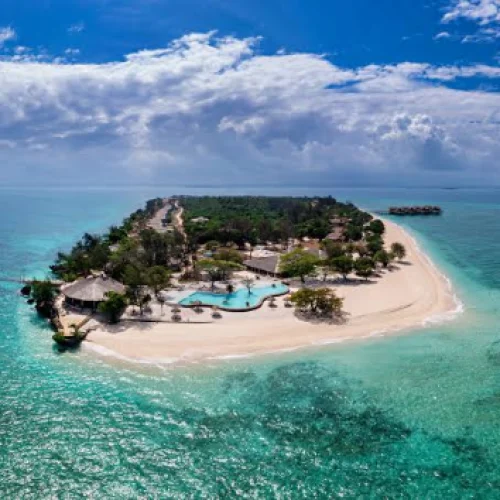
Most operators offer either a half-day option, running roughly three to four hours, or a full-day option of around five to seven hours when combined with Prison Island or a sandbank stop. Typical inclusions are hotel transfers, the boat trip, snorkeling gear, a guide, and drinking water, with some tours also adding fresh fruit or a full lunch. It’s worth bringing a swimsuit, a towel, reef-safe sunscreen, a hat, sunglasses, and a waterproof camera if you’d like photos, along with a small amount of cash for tips. The site can be visited year-round, though sea conditions tend to be calmer from June to October and from December to February, and tide levels can affect access to certain parts of the reef. Both shared group tours and private bookings are available, with private trips offering more flexibility on timing. Prices generally range from about forty to eighty US dollars per adult, depending on what’s included and whether the trip is combined with other stops, and we work with operators we know and trust for this excursion.
Bawe Island snorkeling offers a relaxed way to experience part of Zanzibar’s reef system, away from some of the more crowded sites around the island. Many guests mention the coral and the variety of fish as a highlight of their time in Zanzibar.
Contact us at Kiwoito Africa Safaris for a personalized quote or booking, whether on its own or combined with Prison Island, a sandbank stop, or the rest of your Zanzibar itinerary. As locals, we know the reef and the tides well, and we’re glad to help plan the day.
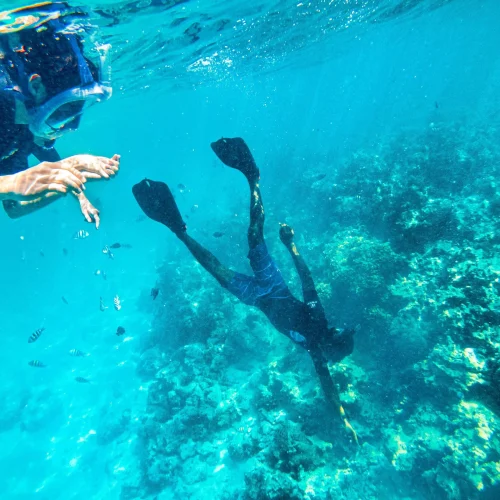
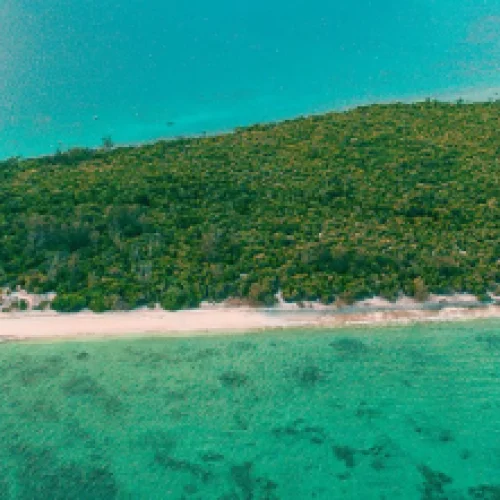
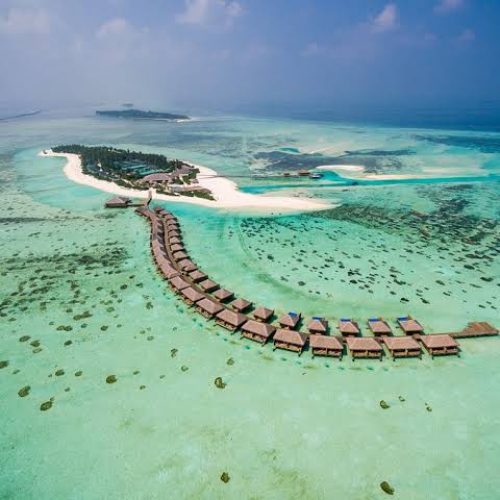
Bawe Island Snorkeling Zanzibar is one of the island’s most popular marine experiences, offering visitors the chance to explore vibrant coral reefs and crystal-clear waters just off the coast of Stone Town. The reefs surrounding Bawe Island are home to colorful tropical fish, sea stars, reef creatures, and healthy coral formations, making it an excellent destination for both beginners and experienced snorkelers.
Bawe Island is located approximately 5 kilometers west of Stone Town on Zanzibar’s west coast. The island can be reached by a short boat ride, typically lasting 15 to 30 minutes, depending on the departure point and sea conditions. Its convenient location makes it an ideal half-day or full-day excursion for visitors staying in Stone Town.
During Bawe Island Snorkeling Zanzibar, visitors commonly encounter colorful reef fish, butterflyfish, angelfish, parrotfish, starfish, sea urchins, and a variety of hard and soft corals. Depending on the season and conditions, you may also spot sea turtles, eagle rays, octopuses, and other fascinating marine species living within the protected reef ecosystem.
Yes. Bawe Island Snorkeling Zanzibar is suitable for beginners as well as experienced snorkelers. Many snorkeling sites feature calm, shallow waters with excellent visibility. Professional guides provide safety briefings, snorkeling equipment, and flotation devices for guests who need extra support in the water.
Basic swimming skills are helpful but are not always required. Many operators provide life jackets and flotation aids, allowing non-swimmers to enjoy the experience while being closely supervised by experienced guides. Guests should inform their guide of their swimming ability before entering the water.
Kiwoito Africa Safaris offers professionally organized Bawe Island Snorkeling Zanzibar excursions designed to showcase the best of Zanzibar’s marine environment. Our experienced team arranges reliable boat transfers, quality snorkeling equipment, and knowledgeable local guides who prioritize both safety and marine conservation. Whether you are adding snorkeling to a beach holiday or combining it with a Tanzania safari, Kiwoito Africa Safaris creates seamless travel experiences tailored to your interests.
Yes. The waters surrounding Bawe Island form part of the Changuu–Bawe Marine Conservation Area, established to help protect coral reefs and marine biodiversity. Visitors are encouraged to practice responsible snorkeling by avoiding contact with corals, not disturbing marine life, and following their guide’s environmental instructions.
Yes. Many travelers combine Bawe Island Snorkeling Zanzibar with a Stone Town tour, Prison Island excursion, Nakupenda Sandbank, sunset dhow cruise, or other marine activities. This allows visitors to experience both Zanzibar’s cultural heritage and its spectacular underwater world in a single itinerary.
Snorkeling is available throughout the year, but the best underwater visibility is generally experienced during the dry seasons from June to October and December to March. Calm seas and clear water during these months provide ideal conditions for observing coral reefs and marine life.