
A visit to the Zanzibar Butterfly Centre takes travelers into a netted tropical garden filled with butterflies native to the island, offering a gentle, educational stop for nature lovers, families, and anyone looking for a quieter highlight during their time in Zanzibar. As local experts at Kiwoito Africa Safaris in Tanzania, we arrange these visits for many guests after their northern safaris or alongside a stop at Jozani Forest, and guests often mention the delicate beauty of the species on display, the guides explaining life cycles and conservation work, and the simple pleasure of a butterfly landing briefly on a hand or shoulder.
The centre is located in Pete Village, close to the main road between Zanzibar Town and Paje, about two kilometers west of the well-signposted entrance to Jozani-Chwaka Bay National Park. It is a community-run conservatory, with netted enclosures protecting butterflies native to Zanzibar and a model built around close collaboration with local farmers, roughly forty of whom, many of them women, raise butterflies from the surrounding village as part of the project. The centre combines conservation, education, and income generation for the local community, with entrance fees going toward farmer training, small business support, and the upkeep of the enclosures. Inside, shaded paths wind through flowering plants and fruit-feeding stations, and visitors can follow the butterfly life cycle from egg to caterpillar, chrysalis, and adult, learn how the butterflies are farmed sustainably, and watch feeding demonstrations where the butterflies gather to feed on fruit or nectar.
This is a short, easygoing activity well suited to families with children, who tend to enjoy following the butterflies along the paths, as well as couples looking for a calm interlude in their day. It pairs naturally with the red colobus monkeys at Jozani Forest, a spice tour, or beach time on the southeast coast, and tends to be liveliest in the late morning and early afternoon, when the butterflies are most active.
After hotel pickup from Stone Town or from east and southeast coast areas such as Paje, Jambiani, Pingwe, or Michamvi, the drive to Pete Village passes through rural stretches of the island before arriving at the centre. Guests are met by a local guide, who introduces the project before leading them into the netted garden itself. The guided portion of the visit generally lasts thirty to forty minutes, covering the different stages of the butterfly life cycle, the breeding and feeding areas, and the conservation work behind the project, though visitors are welcome to spend longer wandering the paths at their own pace afterward.
Much of the appeal lies in the small, interactive moments along the way, watching a butterfly emerge from its chrysalis, taking part in a feeding demonstration with fruit or nectar, or having a butterfly settle briefly on a hand for a photograph. Beyond the butterflies themselves, the shaded garden paths make for a peaceful walk, and it’s not unusual to spot other small insects or plant life tucked among the greenery.
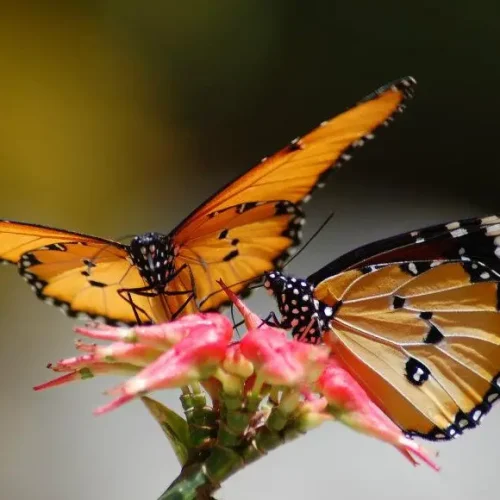
The centre is open daily, generally from around nine in the morning to somewhere between four thirty and five in the afternoon depending on the season, and can be visited comfortably at any time of year. Butterflies tend to be most active between roughly ten in the morning and two in the afternoon, and mornings also bring cooler, more comfortable walking conditions. A full visit at the centre typically takes one to two hours, and the outing is often combined with a stop at neighboring Jozani Forest, bringing the total time, including transfers, to somewhere between two and four hours.
Entrance fees are modest, generally in the range of ten to fifteen thousand Tanzanian shillings per adult depending on the operator, with reduced or waived fees often available for children. It’s worth wearing comfortable closed shoes, since the garden paths can be damp, along with a hat and sunscreen for the more open sections, and bringing a camera or phone for photos and a little cash for tips. Both shared and private guided visits are available, with the latter allowing a more personal pace. Package prices, including transfers and entry, typically range from about twenty to fifty US dollars per person depending on the starting location and whether the visit is combined with Jozani Forest.
The Zanzibar Butterfly Centre offers a quiet, close-up look at one of the island’s smaller but genuinely interesting corners of nature, and its community-based model means a visit also supports local farmers and conservation work in Pete Village. Many guests describe it as one of the more peaceful stops on their Zanzibar itinerary, particularly when combined with a morning at Jozani Forest.
Contact us at Kiwoito Africa Safaris for a personalized quote or booking, whether on its own or paired with Jozani Forest, a spice tour, snorkeling, or a sunset dhow cruise. As locals, we know the best times to catch the butterflies at their most active and the guides who bring the most insight to the visit.
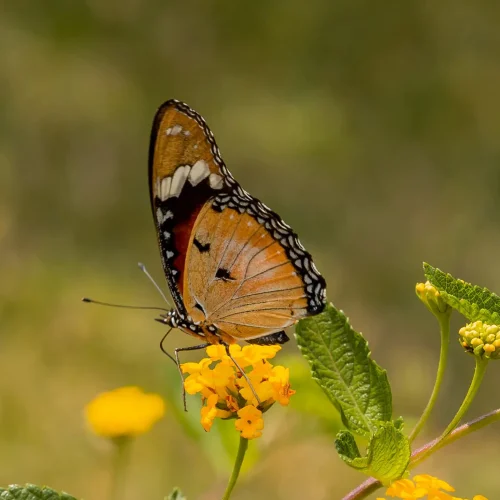
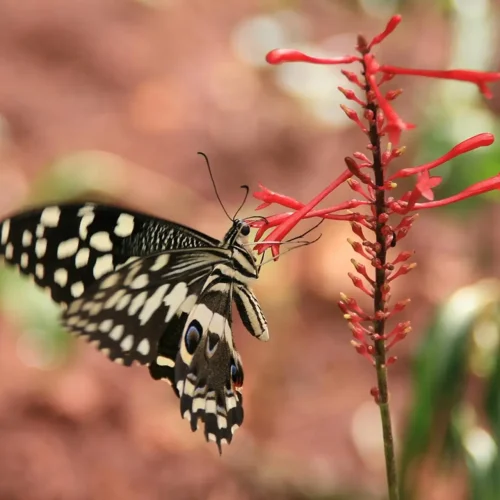
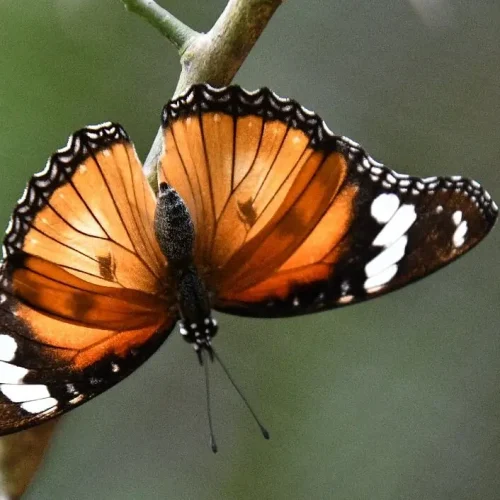
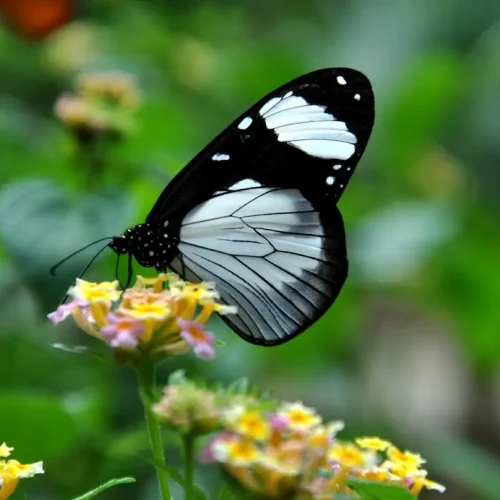
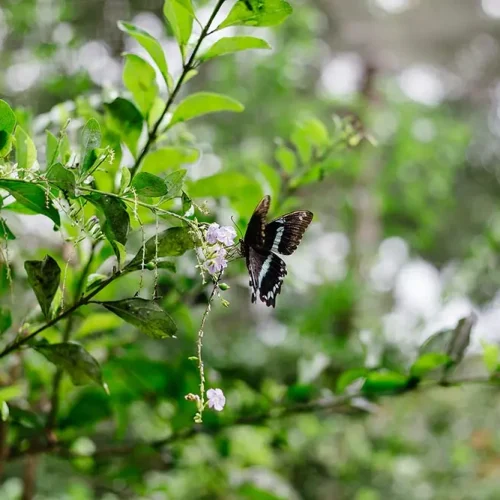
The Butterfly Centre Visit Zanzibar is a unique eco-tourism experience where visitors can observe hundreds of colorful native butterflies flying freely inside a tropical butterfly garden. Located near Jozani Forest, the centre focuses on butterfly conservation, environmental education, and sustainable community tourism while providing an enjoyable experience for visitors of all ages.
The Zanzibar Butterfly Centre is located near Jozani-Chwaka Bay National Park on the southeast side of Unguja Island. It is approximately 35–40 km from Stone Town, making it an easy stop when visiting Jozani Forest, Kuza Cave, or the eastern beaches of Zanzibar.
During the Butterfly Centre Visit Zanzibar, visitors can walk through a large tropical enclosure filled with native butterfly species in different stages of their life cycle. You can observe butterflies feeding on flowers, watch caterpillars develop into butterflies, and learn about the fascinating transformation from egg to adult butterfly through informative guided tours.
Most Butterfly Centre Visit Zanzibar experiences last between 45 minutes and 1.5 hours, depending on your pace and whether you join a guided educational tour. Many visitors combine the experience with nearby attractions for a half-day excursion.
Yes. The Zanzibar Butterfly Centre promotes butterfly conservation, environmental education, and sustainable livelihoods for local communities. The project encourages habitat protection and raises awareness about the importance of butterflies as pollinators and indicators of healthy ecosystems.
The Butterfly Centre Visit Zanzibar can be enjoyed throughout the year. Butterflies are generally most active during the warmer daylight hours, especially in the morning and early afternoon when temperatures are ideal for feeding and flying.
Yes. Many travelers combine the Butterfly Centre Visit Zanzibar with a Jozani Forest Tour, Red Colobus Monkey Experience, Kuza Cave, The Rock Restaurant, Blue Lagoon Snorkeling, or the beaches of Paje and Jambiani. These combinations create an enjoyable day exploring Zanzibar’s wildlife, culture, and coastline.
Kiwoito Africa Safaris offers well-planned Butterfly Centre Visit Zanzibar experiences as part of customized Zanzibar itineraries. Our knowledgeable local guides provide insights into butterfly conservation, local ecosystems, and nearby attractions, ensuring an educational and enjoyable visit. Whether you combine the Butterfly Centre with Jozani Forest, cultural tours, snorkeling adventures, or Zanzibar’s beautiful beaches, Kiwoito Africa Safaris creates seamless travel experiences that showcase the island’s incredible natural heritage.
The butterfly house is home to several native East African butterfly species. Depending on the season, visitors may observe swallowtails, eggflies, pansies, monarchs, and other tropical butterflies native to Zanzibar. Because butterflies have natural life cycles, the number and variety of species may vary throughout the year.