
The Kizimkazi Dolphin Tour takes travelers into the waters off Zanzibar’s south coast for a chance to see wild dolphins in their natural habitat, an activity that draws visitors looking for wildlife beyond the island’s beaches. As local experts at Kiwoito Africa Safaris in Tanzania, we arrange these outings for many guests extending a northern safari or spending time on Zanzibar’s beaches, and those who join typically come back with stories of dolphins surfacing and playing around the boat in clear, calm water.
The tour departs from Kizimkazi, a fishing village on Zanzibar’s southern coast, sometimes referred to as Kizimkazi Dimbani, which sits on the edge of Menai Bay. The bay was designated Zanzibar’s largest marine conservation area in 1997, covering around four hundred and seventy square kilometers, and is home to a resident population of roughly two hundred bottlenose dolphins, along with the more elusive Indo-Pacific humpback dolphin. Kizimkazi was originally a small fishing community, and dolphin tourism developed here after years of destructive fishing practices had reduced local fish stocks, giving residents an alternative source of income tied to the health of the bay.
It’s worth being upfront that not every operator in Kizimkazi runs these tours responsibly. Some boats chase dolphin pods at speed or crowd around them with tourists jumping in to get close, which research and conservation groups working in the area have linked to dolphins becoming warier of boats over time and gathering in the bay less predictably. For that reason, the choice of operator matters. A number of boat drivers in Kizimkazi have gone through structured ethical dolphin tour training, covering how to approach dolphins without chasing them, how to limit the number of boats and swimmers around a pod, and how to let dolphins approach on their own terms rather than the other way around. We work with operators who follow this approach, prioritizing calm, respectful viewing over guaranteed close encounters.
This is generally a half-day activity, suited to early risers, since dolphins tend to be more active and the sea calmer in the first hours after sunrise. It works well for couples, for families with children who are confident in the water, and for anyone wanting a wildlife experience to pair with a Jozani Forest visit, a spice tour, or a stretch of beach time.
What to Expect on the Tour
Most tours begin with hotel pickup, whether from Stone Town, the southern beaches around Paje and Jambiani, or, with a longer transfer, the northern beaches near Nungwi and Kendwa, timed to reach Kizimkazi for an early start, often between five thirty and seven in the morning. On arrival, guests meet their captain and guide, are fitted with life jackets and snorkeling gear, and receive a short briefing covering safety and the guidelines followed on board, including keeping a respectful distance and never chasing a pod.
Once out on the water, the boat, typically a traditional wooden vessel or small motorboat, heads toward areas where dolphins are regularly seen. Sightings are common, though as with any wild animal, they can’t be guaranteed on a given day. When dolphins are nearby and conditions allow, guests may have the chance to slip into the water to float or snorkel at a distance, watching the dolphins move past rather than swimming toward them. Some tours include a stop at a nearby reef afterward for general snorkeling among coral and reef fish before heading back to shore. The return transfer to the hotel typically completes a three to five hour outing including transfers, with the time on the water itself generally running two to three hours, and many tours include fresh fruit or water on board.
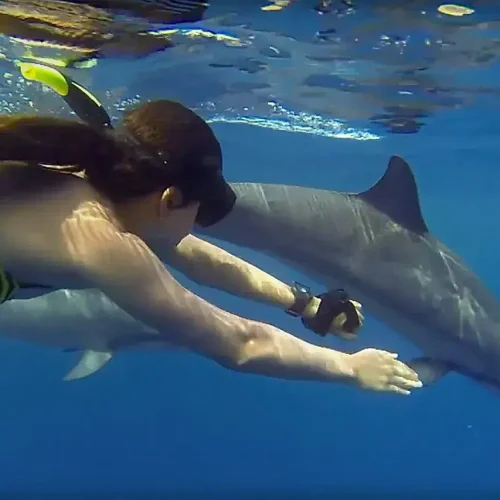
Dolphin tours run year-round, though the dry seasons from June to October and December to February tend to bring calmer seas and clearer water. Early morning departures, generally between five thirty and seven, offer the best combination of active dolphins and flat sea conditions. Most packages include hotel transfers, a guide and captain, a life jacket, snorkeling gear, bottled water, and a snack, with park or conservation area fees sometimes included depending on the operator. It’s worth bringing swimwear, a towel, sunscreen, a hat, a waterproof camera or phone case, and a light rash guard for sun protection, along with a small amount of cash for tips, since there are no ATMs in Kizimkazi village itself. Both shared and private tours are available, with private bookings offering more flexibility on timing. Prices generally range from about forty to one hundred US dollars per person depending on group size and what’s included, and we work specifically with operators known for following ethical guidelines around the dolphins.
A visit to Kizimkazi offers a genuine chance to see wild dolphins in the waters of Menai Bay, and choosing an operator that treats the dolphins with care makes a real difference to both the animals and the quality of the experience. Many guests describe it as one of the more memorable wildlife moments of their time in Zanzibar.
Contact us at Kiwoito Africa Safaris for a personalized quote or booking, whether paired with a Tanzania safari, a village cultural visit, or the rest of your island itinerary. As locals, we know which operators follow ethical practices and how to give the dolphins the space they need.
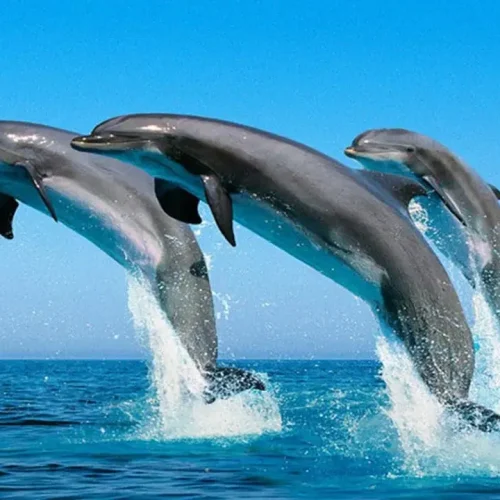
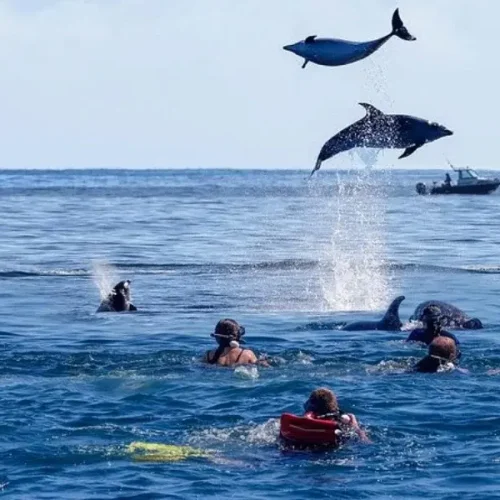
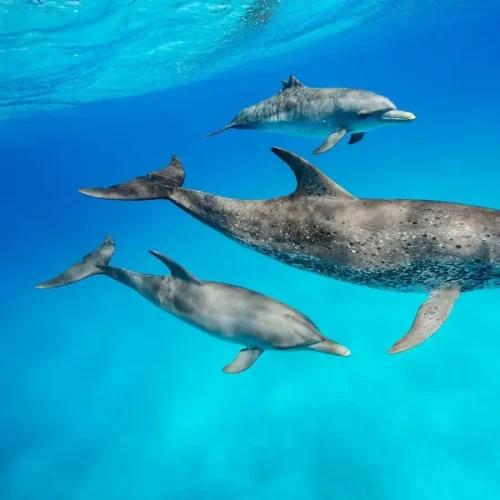
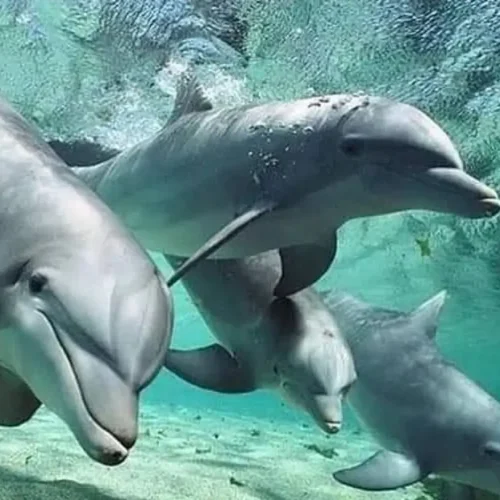
The Kizimkazi Dolphin Tour Zanzibar is one of the island’s most popular marine excursions. The tour takes visitors by traditional wooden boat or motorboat into the waters off the southern coast of Zanzibar, where pods of wild bottlenose and Indo-Pacific humpback dolphins are commonly seen. Along with dolphin watching, the experience offers spectacular coastal scenery and opportunities to enjoy the clear waters of the Indian Ocean.
Kizimkazi is a historic fishing village on the southern coast of Unguja Island, approximately 55 kilometers from Stone Town. The village is well known for its dolphin tours, coral reefs, and the historic Kizimkazi Dimbani Mosque, one of the oldest Islamic buildings in East Africa.
During the Kizimkazi Dolphin Tour Zanzibar, visitors most frequently encounter Indo-Pacific bottlenose dolphins and Indo-Pacific humpback dolphins. Since these are wild animals living in their natural habitat, sightings cannot be guaranteed, but they are common throughout much of the year.
No. Dolphins are wild marine mammals, so sightings cannot be guaranteed on every trip. However, experienced local boat captains know the areas where dolphins are most commonly observed, giving visitors a good chance of seeing them while respecting their natural behavior.
Yes. Many travelers combine the Kizimkazi Dolphin Tour Zanzibar with attractions such as Jozani Forest, Kuza Cave, Blue Lagoon Snorkeling, The Rock Restaurant, Spice Farm Tours, or a visit to the historic Kizimkazi Dimbani Mosque. These combinations create a memorable full-day itinerary featuring wildlife, culture, and coastal beauty.
Responsible tour operators follow guidelines that minimize disturbance to dolphins by maintaining safe viewing distances, limiting boat interactions, and avoiding behaviors that stress marine wildlife. Visitors are encouraged to choose ethical operators and avoid activities that involve chasing or harassing dolphins.
Kiwoito Africa Safaris offers professionally organized Kizimkazi Dolphin Tour Zanzibar experiences with a strong commitment to responsible marine tourism. We work with experienced local boat operators who prioritize wildlife conservation while providing safe and enjoyable excursions. Whether you are planning a Zanzibar beach holiday or combining the island with a Tanzania safari, Kiwoito Africa Safaris creates personalized itineraries that showcase the best of Zanzibar’s marine life, culture, and natural beauty.
Yes. The Kizimkazi Dolphin Tour Zanzibar is suitable for families, couples, solo travelers, and small groups. Children should always wear life jackets while on the boat, and families with young children may prefer calmer sea conditions during the morning departures.
Most dolphin tours last between 2 and 4 hours, depending on sea conditions, dolphin sightings, and whether snorkeling is included. Some full-day packages combine the excursion with nearby attractions such as Jozani Forest, Kuza Cave, or Zanzibar’s southern beaches.