
The Ngorongoro Conservation Area (NCA) is one of Tanzania’s most extraordinary destinations and a true highlight of any northern safari circuit. Covering about 8,292 square kilometers in northern Tanzania, it is a multiple-use protected area managed by the Ngorongoro Conservation Area Authority (NCAA). Unlike a strict national park, the NCA allows coexistence between wildlife, the semi-nomadic Maasai people, and limited human activity.
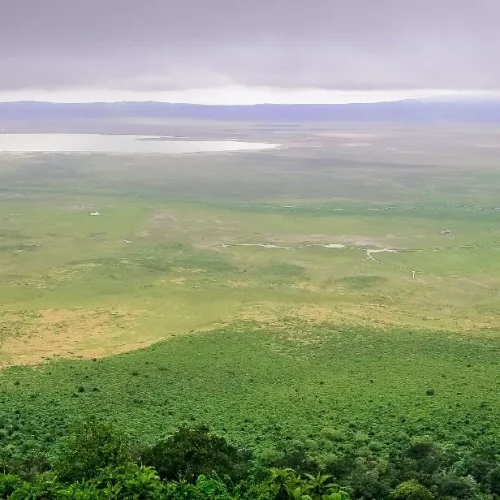
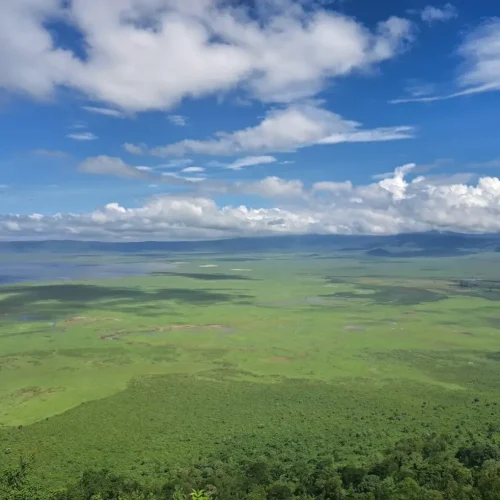
At its heart lies the Ngorongoro Crater, the world’s largest intact volcanic caldera, roughly 19 km across, 600 meters deep, and covering about 260 square kilometers of floor. Often described as an “African Garden of Eden” or a “natural zoo,” the crater’s steep walls create a self-contained ecosystem that supports an astonishing density and diversity of wildlife year-round. The crater floor features open grasslands, swamps, forests, a soda lake (Lake Magadi), and permanent water sources, making it one of the best places on Earth to see the Big Five in a single day.
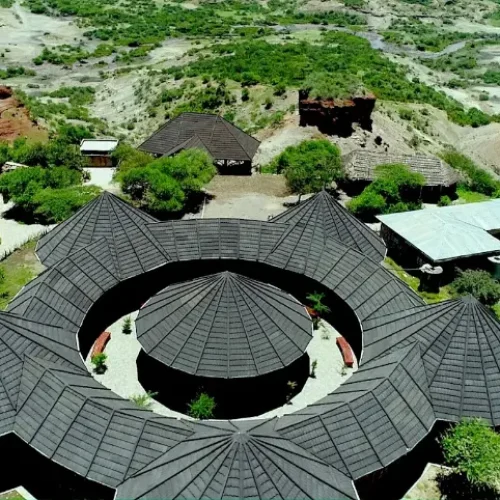
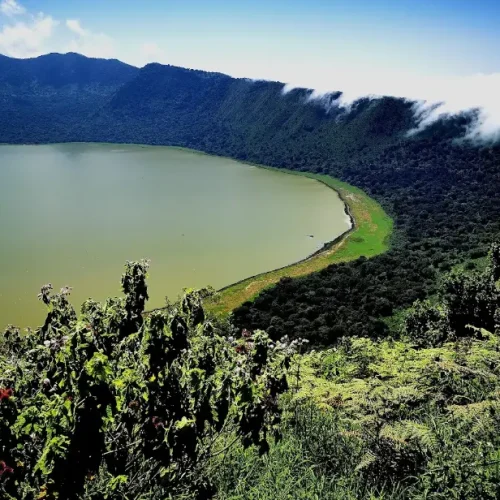
The wider conservation area includes the highland plateaus, Olduvai Gorge (a globally important paleoanthropological site), Empakaai Crater, Olmoti Crater, and sweeping views over the Serengeti plains. Designated a UNESCO World Heritage Site in 1979, the NCA is celebrated for its natural beauty, wildlife, and cultural significance.
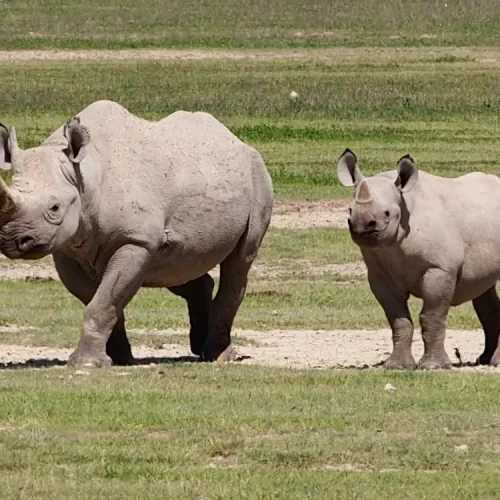
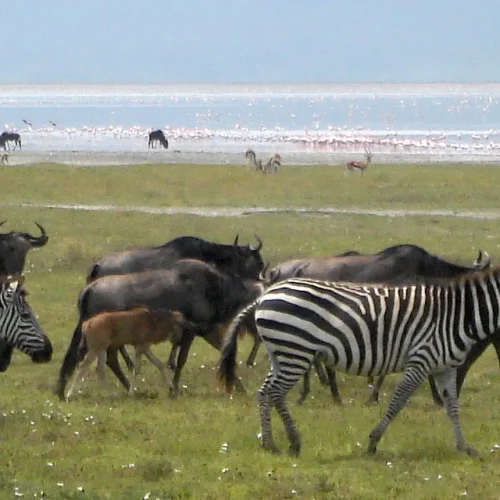
The Ngorongoro Crater is legendary for its reliable, high-density wildlife sightings in a compact, scenic setting.
Outside the crater, the highlands offer excellent birdwatching and chances to see eland, hartebeest, and occasional serval or caracal.
Our local guides at Kiwoito Africa Safaris are experts in the crater’s animal patterns, knowing the best times and locations for rhino sightings, lion prides, and dramatic predator-prey moments.
The NCA is accessible and rewarding year-round, with distinct seasonal highlights:
Ngorongoro pairs perfectly with Serengeti (often combined in a seamless loop), Tarangire, and Lake Manyara for a complete northern Tanzania safari.
As a proudly Arusha-based, locally owned operator, Kiwoito Africa Safaris creates tailor-made luxury safaris with genuine care and deep knowledge of the land. Our guides, many born and raised in northern Tanzania, know the Ngorongoro Crater and Conservation Area intimately, finding the best rhino locations, tracking lion prides, and sharing stories of the area’s ecology, Maasai heritage, and conservation efforts.
We are committed to responsible tourism, supporting anti-poaching initiatives, community projects, and sustainable practices while delivering outstanding value, flexibility, and personal attention that larger international operators often cannot match. Travelers consistently praise our warmth, professionalism, and the way we make every safari feel personal and unforgettable.
Contact Kiwoito Africa Safaris today for a free, no-obligation personalized quote.Let us take you to Ngorongoro, where the crater holds one of the world’s greatest concentrations of wildlife in one breathtaking setting.
Ngorongoro Conservation Area is unique because it contains the Ngorongoro Crater, the world’s largest intact volcanic caldera. This natural enclosure supports a dense population of wildlife, including lions, elephants, black rhinos, hippos, and wildebeest. It also combines rich Maasai culture, archaeological sites, and diverse habitats, from savannah and forest to crater lakes, making it a truly special safari destination.
Yes, Ngorongoro is considered a must-visit safari destination in Tanzania. Its combination of high wildlife density, scenic crater views, and cultural experiences with Maasai communities provides a unique, once-in-a-lifetime experience. A visit can be done as a day trip or as part of a multi-day northern Tanzania safari.
The key difference is terrain and wildlife density. Ngorongoro features a crater basin, making wildlife easier to spot in a smaller, contained area. Serengeti, in contrast, is vast open plains covering thousands of square kilometers, famous for the Great Migration of wildebeest and zebras. Ngorongoro is ideal for concentrated wildlife viewing, while Serengeti offers large-scale migration and endless savannah landscapes.
The Big 5 in Ngorongoro Crater refers to lion, elephant, buffalo, leopard, and black rhinoceros. The crater is one of the few places in Africa where you can reliably spot all five species in a single safari trip, thanks to its dense and diverse wildlife population.