
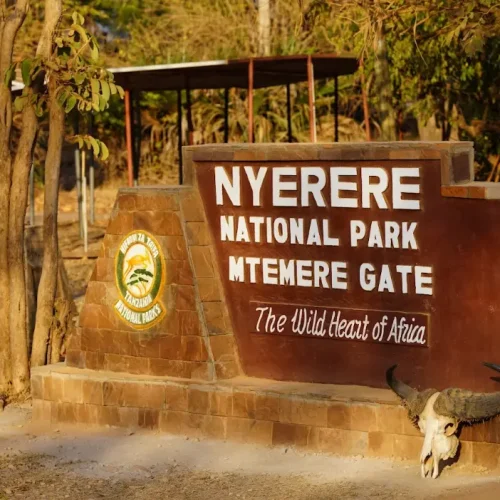
Nyerere National Park is the largest national park in Africa and one of the world’s most expansive protected wilderness areas. Covering approximately 30,893 square kilometers in southeastern Tanzania, it was established in 2019 when the northern portion of the historic Selous Game Reserve was upgraded to full national park status under the Tanzania National Parks Authority (TANAPA). The park honors Tanzania’s founding father, the late Mwalimu Julius Kambarage Nyerere.
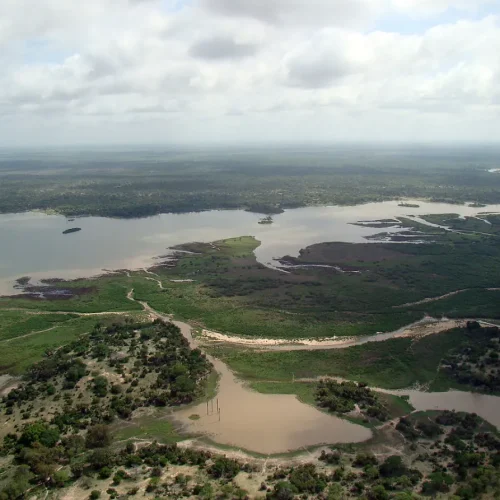
This vast, relatively undisturbed ecosystem features diverse landscapes: open grasslands, miombo woodlands, seasonal swamps, riverine forests, and the mighty Rufiji River, Tanzania’s largest river, which flows through the northern section toward the Indian Ocean. The Rufiji creates interconnected lakes, channels, and floodplains, supporting rich biodiversity and offering unique perspectives on African wildlife.
Compared to the more visited northern circuit parks like Serengeti or Ngorongoro, Nyerere remains remote and uncrowded, providing an authentic, off the beaten path safari experience with pristine wilderness, fewer vehicles, and a sense of true remoteness.
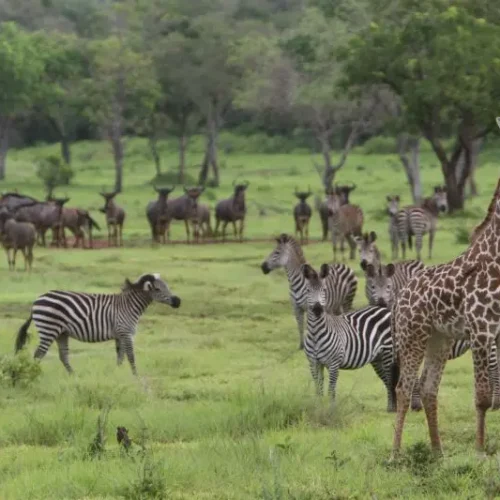
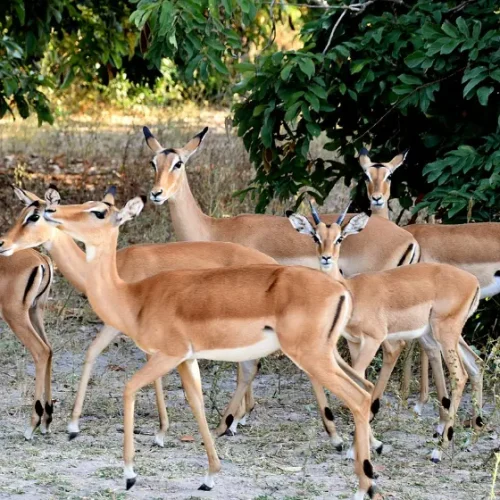
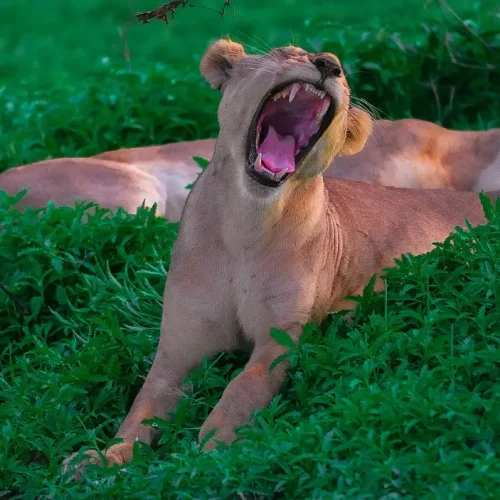
Nyerere boasts one of Africa’s most impressive wildlife populations, with significant predator prey dynamics and some of the continent’s largest concentrations of certain species.
The park’s remoteness and varied habitats create excellent opportunities for intimate wildlife encounters, especially along the Rufiji River where animals gather year round.
Our local guides at Kiwoito Africa Safaris know the park’s hidden tracks, seasonal animal movements, and prime spots for wild dog sightings or riverine action.
Nyerere offers rewarding experiences throughout the year, but seasons influence wildlife viewing and accessibility:
Nyerere stands out for its mix of land and water based experiences in a remote setting:
The park pairs well with southern Tanzania adventures or as an extension to northern circuit safaris for those seeking variety and seclusion.
As a proudly Arusha based, locally owned operator, Kiwoito Africa Safaris creates tailor made luxury safaris with genuine care and deep knowledge of the land. Our guides, many born and raised in northern Tanzania, are experienced in southern Tanzania’s remote areas like Nyerere, tracking wild dogs, navigating the Rufiji for boat safaris, and sharing insights on the park’s vast ecology and conservation efforts. We are committed to responsible tourism, supporting anti poaching initiatives and local communities while delivering outstanding value, flexibility, and personal attention that larger international operators often cannot match. Travelers consistently praise our warmth, professionalism, and the way we make every safari feel personal and unforgettable.
Contact Kiwoito Africa Safaris today for a free, no obligation personalized quote. Let us take you to Nyerere National Park, Africa’s largest wilderness, where the Rufiji River flows and wild dogs roam in one of Tanzania’s most pristine and untouched corners.
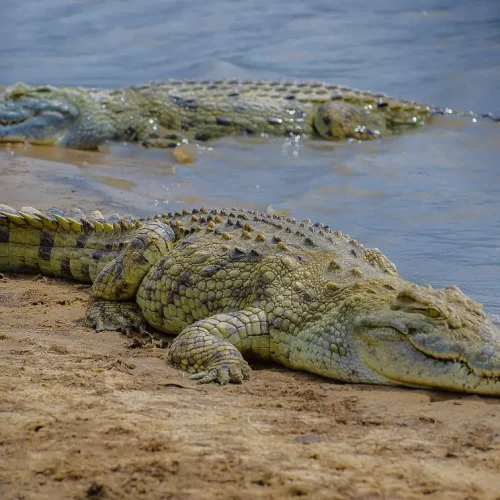
Nyerere National Park is famous for being Tanzania’s largest protected area, home to elephants, lions, hippos, crocodiles, and rare African wild dogs. It spans rivers, wetlands, and woodlands, offering a mix of game drives, boat safaris, and walking safaris.
Yes, Nyerere is ideal for travelers seeking a remote and pristine safari experience. Its combination of riverine landscapes, large mammal populations, and low tourist density makes it perfect for exclusive wildlife encounters.
Visitors can see elephants, lions, leopards, African wild dogs, hippos, crocodiles, giraffes, zebras, and buffalos. The park also supports hundreds of bird species, including fish eagles and storks.
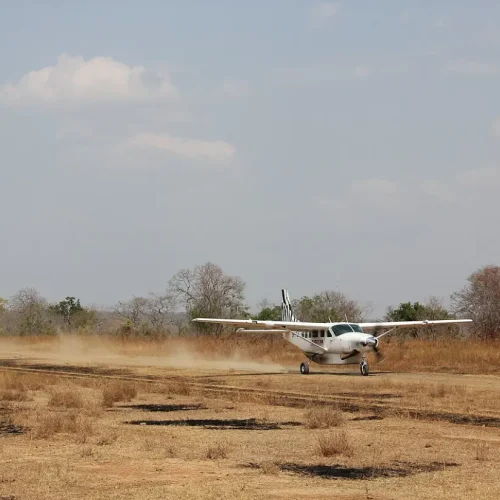
Nyerere National Park is located in Tanzania, in the southern part of the country. It includes sections of the Rufiji River basin and is accessible by road or small aircraft.