
Ruaha National Park is Tanzania’s largest national park and one of the most expansive protected areas in East Africa. Spanning approximately 20,226 square kilometers in central southern Tanzania (in the Iringa Region), it was established in 1964 and significantly expanded in 2008 with the incorporation of the Usangu Game Reserve and wetlands. The park is named after the Great Ruaha River, which flows through its northern section and serves as a vital lifeline for wildlife during the dry season.
Ruaha is a true wilderness gem, remote, rugged, and largely untouched by mass tourism. Its landscapes blend East African savannahs with Southern African miombo woodlands, featuring rolling hills, dramatic escarpments, ancient baobab trees, seasonal rivers, and vast open plains. The convergence of different vegetation zones creates an unusual diversity of animals rarely seen together in one place. With far fewer visitors than northern parks like Serengeti or Ngorongoro, Ruaha offers an authentic, peaceful safari experience where you might go hours without seeing another vehicle.
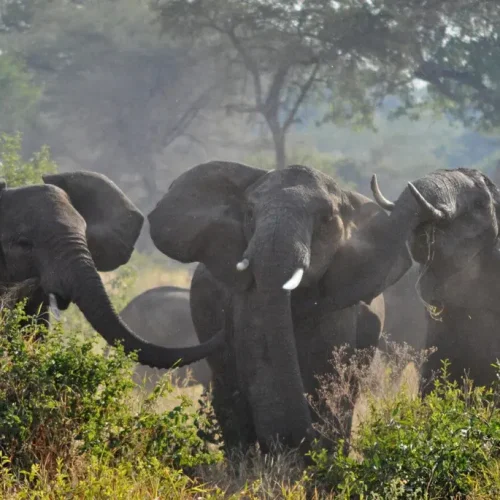
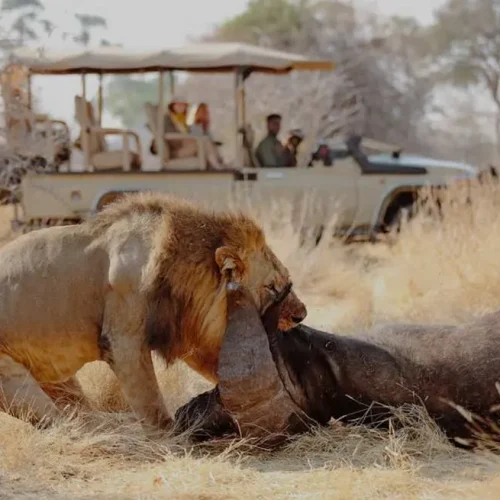
Ruaha is renowned for its abundant and diverse wildlife, including some of Tanzania’s largest populations of certain species.
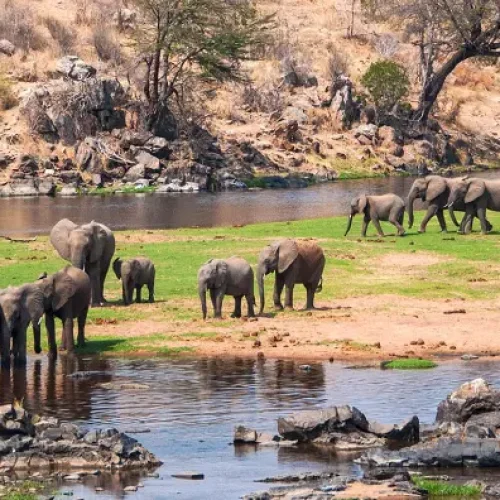
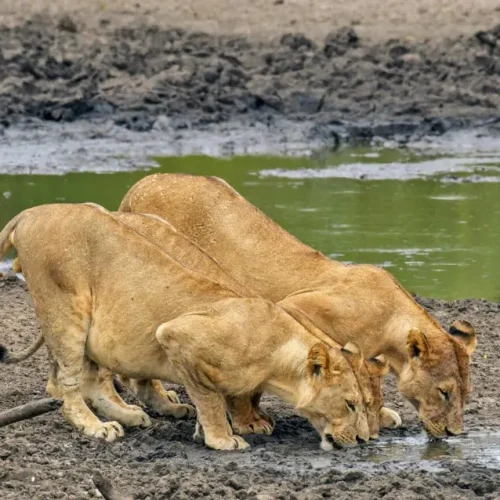
The park’s size and remoteness allow for thrilling, intimate sightings, especially around the river during dry months when animals concentrate at water sources.
Our experienced local guides at Kiwoito Africa Safaris know Ruaha’s seasonal patterns and hidden tracks, positioning you for the best chances to spot wild dogs hunting or elephants crossing the river.
Ruaha delivers strong wildlife viewing year round, but the dry season stands out for optimal conditions.
Ruaha is perfect for those seeking seclusion and pairs well with other southern Tanzania destinations like Nyerere National Park or as an extension to northern circuit trips.
As a proudly Arusha based, locally owned operator, Kiwoito Africa Safaris creates tailor made luxury safaris with genuine care and deep knowledge of the land. Our guides, many born and raised in northern Tanzania, are skilled in exploring remote southern parks like Ruaha, tracking wild dogs, navigating river routes, and sharing insights on the park’s vast ecology and conservation efforts. We are committed to responsible tourism, supporting anti poaching initiatives and local communities while delivering outstanding value, flexibility, and personal attention that larger international operators often cannot match. Travelers consistently praise our warmth, professionalism, and the way we make every safari feel personal and unforgettable.
Contact Kiwoito Africa Safaris today for a free, no obligation personalized quote. Let us take you to Ruaha National Park, Tanzania’s largest and most pristine wilderness, where elephants roam vast plains and wild dogs hunt under endless skies.
Ruaha National Park is famous for its vast wilderness, large elephant population, and high concentration of predators. It is Tanzania’s largest national park and offers a more remote, less crowded safari experience compared to northern parks.
Yes, Ruaha is highly worth visiting for travelers seeking an authentic and uncrowded safari. It offers excellent wildlife viewing, including lions, leopards, cheetahs, and wild dogs, along with diverse landscapes shaped by the Great Ruaha River.
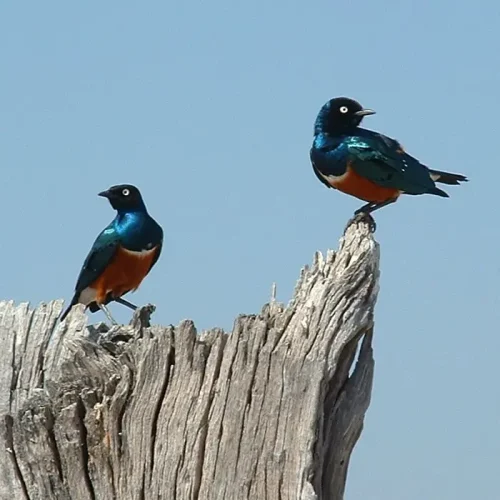
Visitors can see elephants, lions, leopards, cheetahs, African wild dogs, buffaloes, giraffes, zebras, and many antelope species. The park also hosts over 500 bird species, making it a great destination for bird watchers.
The best time to visit is during the dry season (June to October) when animals gather around water sources, making wildlife easier to spot. The wet season offers lush scenery and excellent bird watching.