
Serengeti National Park is widely regarded as one of the most spectacular wildlife destinations on Earth. Spanning approximately 14,763 square kilometers in northern Tanzania, it forms the core of the greater Serengeti ecosystem, which extends into Kenya’s Maasai Mara. The name “Serengeti” derives from the Maasai word “Siringet,” meaning “endless plains”, a fitting description for the park’s vast, rolling grasslands that stretch toward the horizon, broken only by scattered acacia trees and granite kopjes (rocky outcrops).
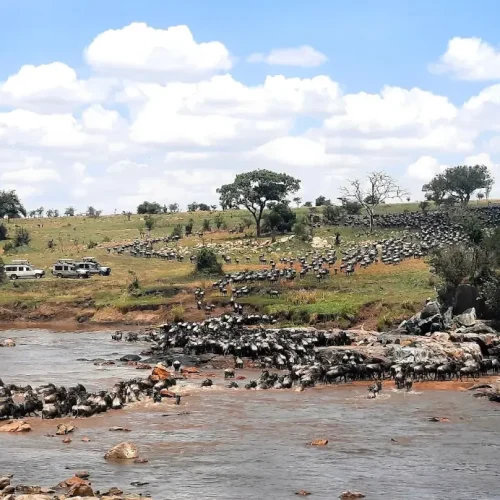
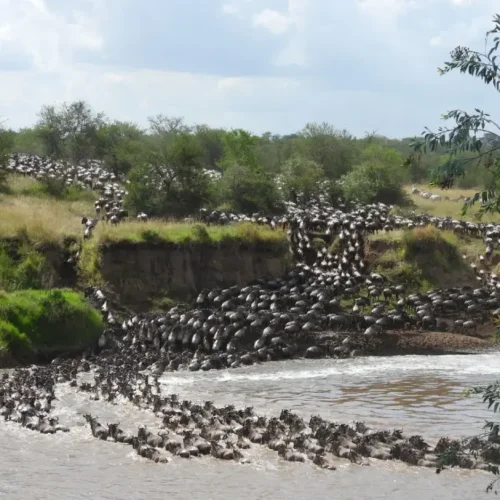
Declared a national park in 1951, a UNESCO World Heritage Site in 1981, and part of a Biosphere Reserve, the Serengeti is globally famous for hosting the Great Wildebeest Migration, the planet’s largest land-based wildlife movement. Each year, roughly 1.5 to 2 million wildebeest, together with hundreds of thousands of zebras and gazelles, follow ancient circular routes in search of fresh grass and water, creating one of nature’s most awe-inspiring events.
The park’s immense size and varied habitats, from open plains and riverine forests to wooded hills and kopjes, support an extraordinary density and diversity of wildlife, making it a dream destination for anyone seeking authentic, large-scale African safari experiences.
The Serengeti is home to one of the richest and most visible wildlife populations in Africa.
Our experienced local guides at Kiwoito Africa Safaris follow daily animal movements, know the best vantage points for migration crossings, and can locate big cats even in the vast landscape.
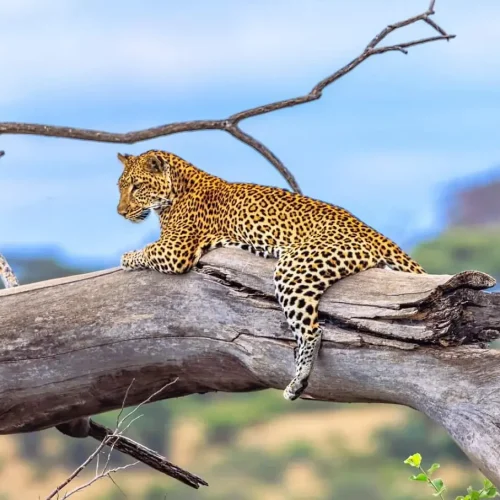
The Serengeti offers excellent wildlife viewing throughout the year, with each season highlighting different aspects:
For the full migration spectacle, December – July is ideal; for dry-season comfort and classic big-cat sightings, June – October is unbeatable.
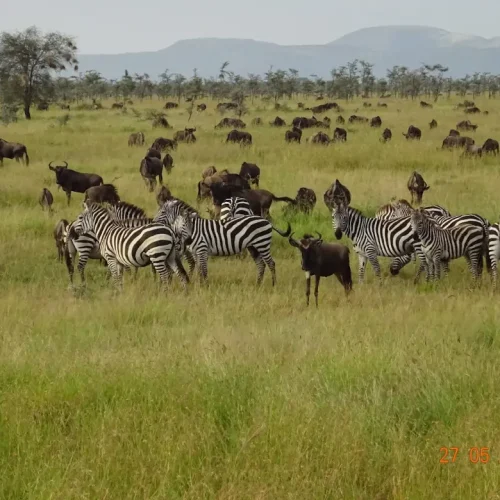
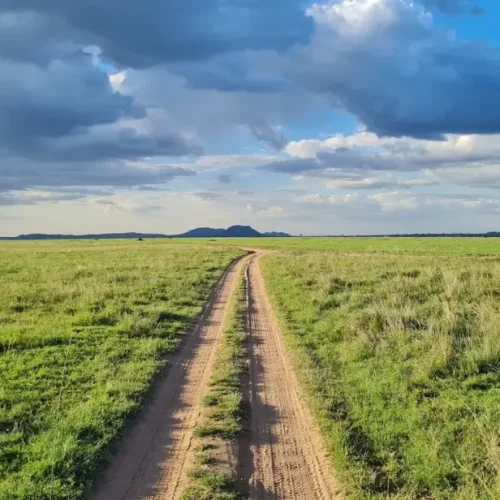
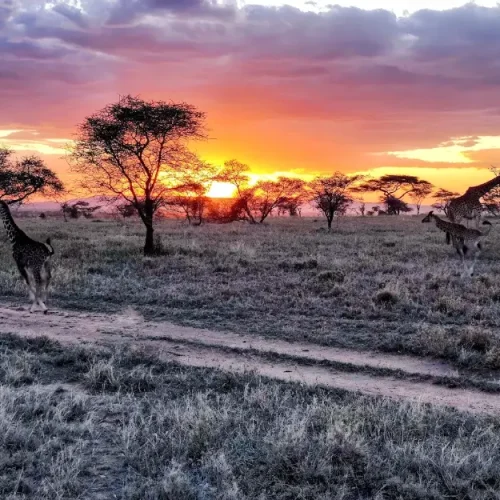
The Serengeti combines seamlessly with Ngorongoro Crater, Tarangire, Lake Manyara, or Arusha National Park for a complete northern Tanzania safari.
As a proudly Arusha-based, locally owned operator, Kiwoito Africa Safaris creates tailor-made luxury safaris with genuine care and deep knowledge of the land. Our guides, many born and raised in northern Tanzania, know the Serengeti intimately, tracking migration patterns, locating big cats, and sharing stories of the park’s ecology and conservation efforts. We are committed to responsible tourism, supporting anti-poaching initiatives and local communities while delivering outstanding value, flexibility, and personal attention that larger international operators often cannot match. Travelers consistently praise our warmth, professionalism, and the way we turn every safari into a personal, unforgettable journey.
Contact Kiwoito Africa Safaris today for a free, no-obligation personalized quote. Let us bring you to the Serengeti, where the endless plains come alive with the greatest wildlife drama on Earth.
Serengeti National Park is famous for the Great Migration, where over 1.5 million wildebeest, zebras, and gazelles move across the plains in search of fresh grazing. It is also known for its vast savannah, high predator population, and year-round wildlife viewing.
Yes, Serengeti is one of the best safari destinations in the world. It offers unmatched wildlife experiences, including the Big Five, large predator sightings, and breathtaking landscapes, making it ideal for both first-time and experienced safari travelers.
The best time depends on what you want to see.
No, Serengeti National Park is not the biggest in the world. It covers 14,750 square kilometers, making it one of the largest in Tanzania, but there are much bigger parks globally. However, it is considered one of the most famous and ecologically important national parks in the world.