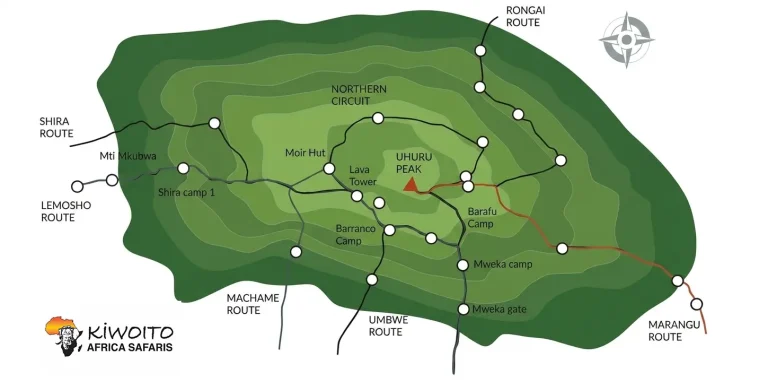
Ready to conquer Africa’s highest peak without sleeping in tents? This 6-day Kilimanjaro Marangu route itinerary, fondly called the “Coca-Cola route” for its straightforward trail and hut comforts, gives you the best shot at Uhuru Peak (5,895m) on the oldest and most established path up the mountain.
Unlike shorter versions, this 6-day plan includes a dedicated acclimatization day at Horombo Hut, allowing your body to adjust gradually to the altitude and boosting summit success (many report higher rates than the 5-day rush). You’ll ascend through five incredible climate zones: misty rainforest alive with monkeys and birds, heath moorland with giant lobelias, barren alpine desert, and the icy crater rim with glaciers.
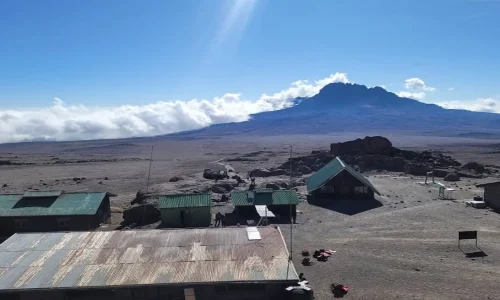
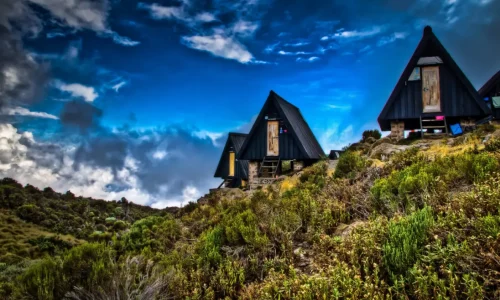
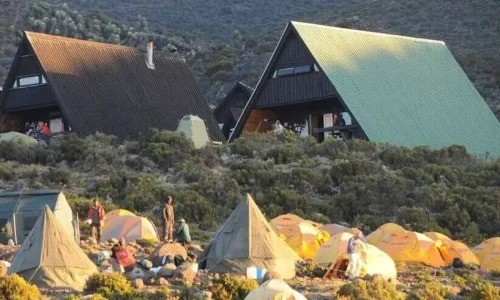
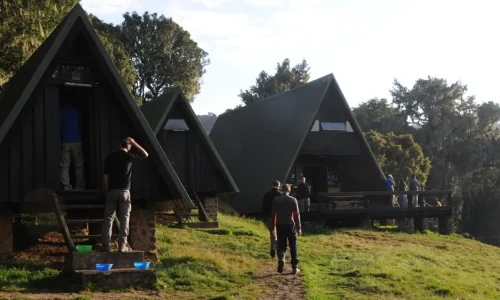
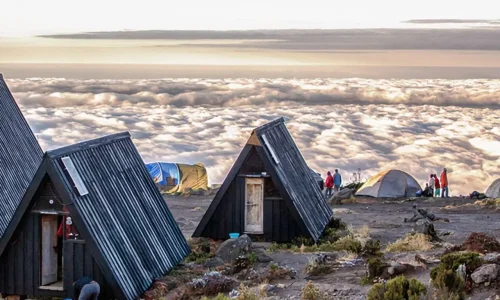
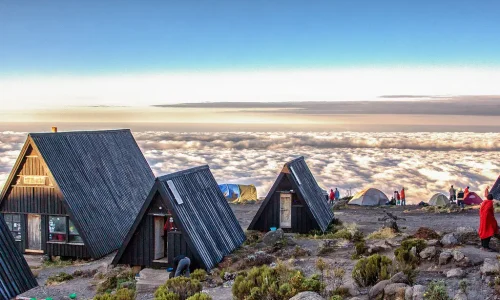
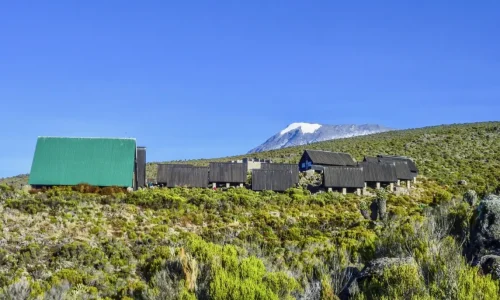
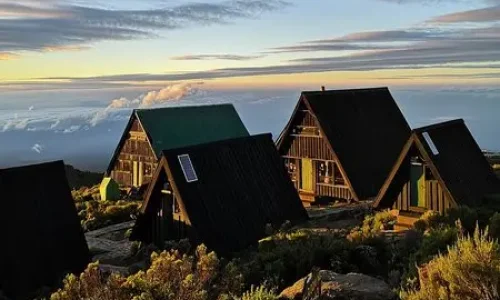
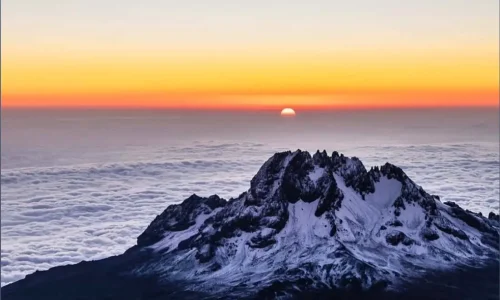
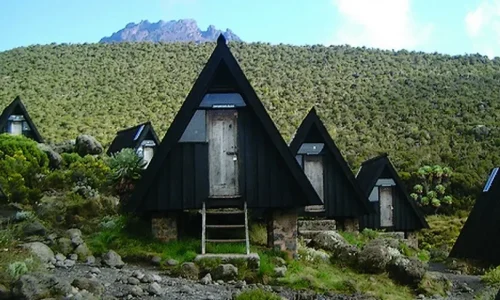
Sleep in dormitory-style A-frame huts each night, bunk beds, mattresses, pillows, communal dining areas, and basic facilities (flushing toilets lower down, simpler at higher huts). No camping gear needed, just your sleeping bag and determination. The trail is gradual but demanding, especially the final push. Our Arusha-based team knows every twist, from spotting Colobus monkeys in the forest to timing your dawn arrival at Gilman’s Point for that magical sunrise over Mawenzi.
Ideal for fit hikers, couples, or groups wanting comfort with adventure. As locals who’ve guided hundreds up Kilimanjaro, we prioritize safety (certified WFR guides, oxygen, pulse checks), fair treatment for porters, and responsible tourism to protect this UNESCO wonder.
With Kiwoito Africa Safaris, it’s more than a climb, it’s a personal journey to the Roof of Africa, guided by people who call these slopes home.
Tour Summary
Day 1
Marangu Gate – Mandara Hut
Day 2
Mandara Hut – Horombo Hut
Day 3
Acclimatization (Horombo Hut)
Day 4
Horombo Hut to Kibo Hut
Day 5
Uhuru Peak – Horombo Hut
Day 6
Marangu Gate – Arusha
Book This Trip!
Itinerary
Day 1: Marangu Gate to Mandara Hut
Your adventure starts with a scenic 2-3 hour drive from Arusha to Marangu Gate (1,843m/6,046ft), through villages and coffee farms. After registration and meeting your smiling guide team (who’ll become family over the next days), the trek begins into lush montane rainforest.
The path is gentle, shaded by towering trees, with the sweet scent of damp earth and eucalyptus. Listen for birdsong and keep eyes peeled for black-and-white Colobus monkeys swinging overhead. Muddy patches might appear after rain, so good boots are key. After 4-5 hours (about 8-11km), reach Mandara Hut (2,700m/8,860ft), settle into your hut, enjoy a warm meal, and perhaps stroll to nearby Maundi Crater for first views across the plains.
Feel the mountain’s quiet magic as night falls, this is just the beginning.
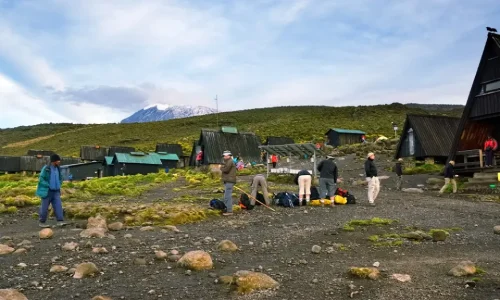
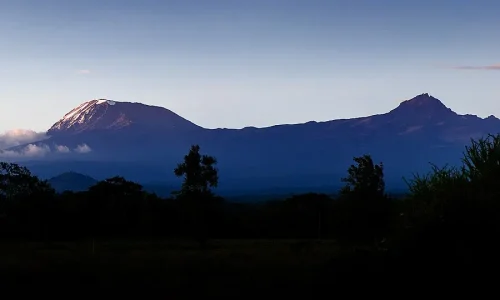
After breakfast, leave the forest behind as the trail opens into heath and moorland, giant heathers and senecios rise like ancient guardians, with Mawenzi’s jagged peaks piercing the sky ahead.
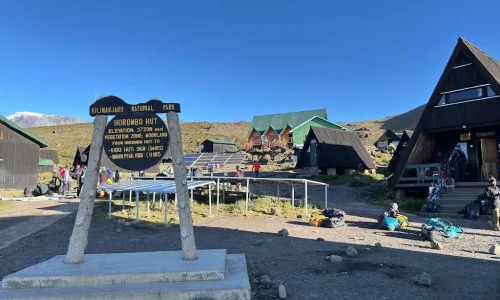
This 5-7 hour day (about 12km) brings crisper air and wider views. You’ll notice the altitude gently, our guides set a steady “pole pole” pace, checking in often. Arrive at Horombo Hut (3,720m/12,205ft) by afternoon, unpack, sip tea with Kibo views, and rest. Dinner revives you for tomorrow’s acclimatization.
Today is all about smart acclimatization, your body thanks you later! Stay relaxed at camp if feeling any fatigue, or join a short hike for extra adaptation without overdoing it.
Options: Trek up to Mawenzi Ridge (~4,315m) for stunning close-ups of Mawenzi’s dramatic spires and Kibo across the Saddle (2-3 hours up, 1-2 down), or visit the striking Zebra Rocks with their black-and-white stripes (shorter climb of ~310m). Both offer breathtaking scenery and help your body adjust.
Guides monitor oxygen levels and symptoms closely, drink plenty, eat well, and rest. This extra day is why many prefer the 6-day Marangu over shorter ones.
Cross the vast, moon-like Saddle between Mawenzi and Kibo, a stark alpine desert of volcanic rocks, dust, and endless skies. The 5-7 hour trek (about 10km) feels exposed, but views are immense.
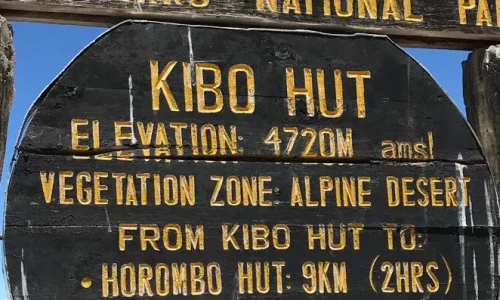
Fill water at the last stream (~4,300m), then push up the steeper final stretch to Kibo Hut (4,703m/15,430ft). Arrive early afternoon, organize summit gear, pack thermoses, and rest early, midnight wakeup tomorrow!
Day 5: Summit Day, Kibo Hut to Uhuru Peak, Descent to Horombo Hut
The highlight! Rise around midnight with hot tea, layer against the cold (-10°C to -20°C near dawn), and start by headlamp up steep scree switchbacks.
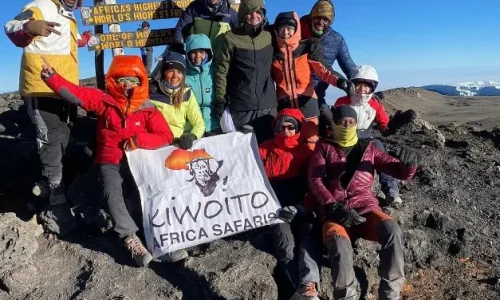
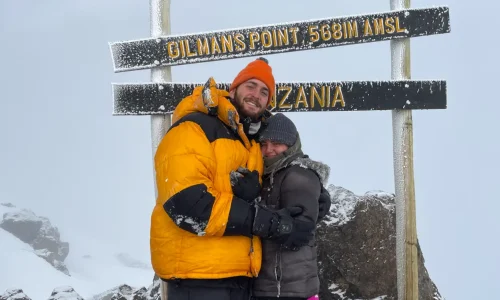
Aim for Gillman’s Point (5,685m) at sunrise, the crater rim glows golden, Mawenzi silhouetted beautifully. If strong, continue 1-2 hours along the rim to Uhuru Peak (5,895m/19,341ft), stand at Africa’s highest point, hug your team, snap photos at the sign, and soak in 360° glacier views.
Descend quickly to Kibo for brunch and rest, then continue down to Horombo Hut (3-4 hours more). Celebrate with stories and a well-earned dinner, what a day!
Day 6: Horombo Hut to Marangu Gate, Return to Arusha
A triumphant descent: 5-7 hours (about 20km) through moorland and familiar rainforest, now in daylight. At the gate, collect certificates, thank your incredible crew, and enjoy lunch.
Transfer back to Arusha for a hot shower, celebratory dinner, and reflections on conquering the mountain.
We’re Arusha locals through and through, our guides have summited countless times and know how to read the mountain, weather, and your energy. We keep groups small for personal care, pay fair wages, support conservation, and focus on safe, joyful climbs over volume. Travelers pick us for the authentic touch: flexible plans, direct Arusha support, and genuine hospitality that makes the tough moments easier and the triumphs sweeter. With strong reviews and a heart for responsible adventure, we’re committed to your Uhuru success.
Ready for Your Kilimanjaro Summit?
This 6-day Marangu route with acclimatization offers comfort, safety, and higher chances of reaching the top. Contact us today for a free personalized quote, training tips, or to combine with a safari. Pole pole, we’ll get you there!
Price
PAX
1 PAX
2 PAX
3 PAX
4 PAX
5 PAX
6 PAX
Price
on request
on request
on request
on request
on request
on request
Inclusions
Safety Equipment
Professional Mountain Guides, all head guides (at least 1 per trip) currently certified by NOLS USA as WFR (Wilderness First Responder)
Park Fees
Campsite fees
Emergency Rescue Fees
Camping equipment and other gears
Mountain Meals
Transfer from the hotel to the starting point
Transfer from the last point to the hotel
Exclusions
Accommodation upon arrival and last day
Tips for a mountain guide, recommended 15-20 per group per day
Porters 5 – 10$ per porter per group per day
Personal expenses
Personal items
Personal insurance/travel insurance
Personal medicines/first aid kit
Personal trekking gears
Sleeping bag
Send us a Message!
Frequently Asked Questions (FAQs)
Is 6 days enough to climb Kilimanjaro via the Marangu Route?
Yes. A 6 Days Kilimanjaro Trek via Marangu Route gives trekkers more time for acclimatization than the shorter Marangu itineraries. The route follows a gradual ascent to the summit, with an additional acclimatization day before the final climb.
How difficult is the 6 Days Marangu Route Kilimanjaro trek?
The Marangu Route is considered moderately challenging, although the summit day is physically demanding because of the altitude, cold temperatures, and long hiking hours. The six-day itinerary can make acclimatization more manageable than a five-day climb.
What is the itinerary for a 6 Days Kilimanjaro Trek via Marangu Route?
A typical itinerary starts at Marangu Gate, followed by Mandara Hut, Horombo Hut, an acclimatization day around Horombo, then Kibo Hut. Trekkers make the summit attempt to Uhuru Peak before descending through Horombo and Marangu Gate.
Is the Marangu Route suitable for beginners?
Yes. The Marangu Route Kilimanjaro can be suitable for beginners because the trail has a gradual ascent and established hut accommodation. However, reaching Uhuru Peak still requires good physical preparation and proper altitude management.
What type of accommodation is used on the Marangu Route?
Unlike routes that primarily use tents, the Marangu Route uses mountain huts. Trekkers normally stay in shared dormitory-style huts at Mandara, Horombo, and Kibo camps.
What should I pack for the Marangu Route Kilimanjaro trek?
Important equipment includes sturdy hiking boots, waterproof clothing, warm layers, a sleeping bag, trekking poles, headlamp, gloves, hat, water bottles, and a daypack. Warm summit clothing is essential because temperatures can fall below freezing.
Do I need a visa for a 6 Days Kilimanjaro Trek via Marangu Route?
Most international visitors need a Tanzania tourist visa, although requirements depend on nationality. Eligible travelers can apply through Tanzania’s official online visa system. Your passport should generally have at least six months’ validity and one unused visa page.
Is the 6 Days Marangu Route Kilimanjaro trek safe?
Yes, when properly organized with qualified mountain guides, suitable equipment, and appropriate altitude management. Trekkers should follow their guide’s instructions, stay hydrated, and report symptoms of altitude sickness immediately.
Why Choose Kiwoito Africa Safaris for a 6 Days Kilimanjaro Trek via Marangu Route?
Kiwoito Africa Safaris can organize your Marangu Route trek with experienced mountain guides, porters, hut accommodation, meals, park permits, transfers, and pre-trek preparation. We can also help you prepare for the summit and choose the right equipment for the climb.