
The Shira Route is a western approach to Mount Kilimanjaro known for its rapid elevation gain and quick access to one of the mountain’s most striking high-altitude landscapes, the Shira Plateau.
Unlike routes that begin at lower elevations and pass gradually through rainforest, the Shira Route starts at an already significant altitude of approximately 3,600 meters (11,800 feet) at Shira Gate or Morum Barrier. This means climbers skip much of the lower forest zone and enter moorland and alpine terrain from day one. After crossing the wide Shira Plateau, the route joins the Lemosho and Machame paths, continuing past Lava Tower, the Barranco Wall, and the southern circuit before the final ascent to Uhuru Peak at 5,895 meters (19,341 feet).
Climbers are drawn to this route for its immediate high-altitude scenery. The Shira Plateau offers wide views of Kibo, Mawenzi, and the plains of East Africa, with a remote and open feel from the very start of the trek.
The route also covers a shorter total distance than several alternatives, at around 56 to 60 kilometers (35 to 37 miles) from gate to gate, which appeals to travelers with limited time. The early days tend to be quieter than on Machame or the more popular sections of Lemosho, particularly on the plateau itself.
This is a camping-only route, with porters managing gear so climbers can focus on the trek and the surrounding views. The high starting altitude does bring a trade-off: there is a greater initial risk of altitude-related symptoms, though longer itineraries with side hikes for acclimatization significantly improve the body’s adjustment.
Summit success rates vary by itinerary length. A six-day climb sees success rates of roughly 55 to 65 percent, a seven-day climb rises to about 75 to 85 percent, and an eight-day climb reaches 85 percent or higher, as the additional days help offset the rapid early elevation gain.
Overall, the Shira Route sits as a middle-ground option. It offers a more dramatic entry into the high zones than Marangu or Rongai, while remaining shorter and less remote than the full Northern Circuit or an extended Lemosho itinerary.
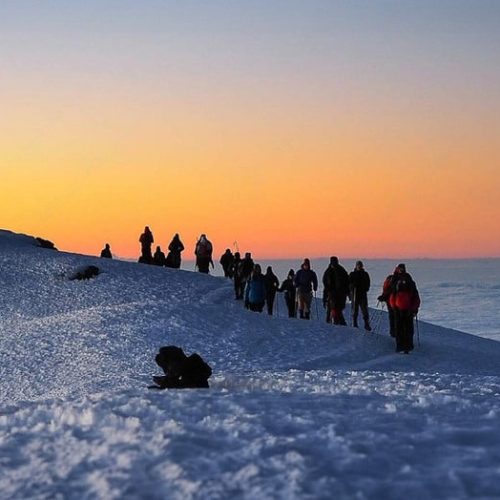
The trek begins at Shira Gate or Morum Barrier on the western side of the mountain, roughly three to four hours by road from Arusha or Moshi. Most climbers spend six to eight days on the mountain, with seven days being the preferred length for most parties. Descent is typically via the Mweka Route on the southeastern slope, offering a quicker and scenic way down.
Along the way, climbers cross the wide Shira Plateau with its volcanic features and open views, pass through moorland filled with giant lobelias, senecios, and heathers, and spend an acclimatization day near Lava Tower. The Barranco Wall presents an exposed but non-technical scramble, followed by views over Karanga Valley and Barafu Camp before reaching the crater rim and glacier zone near the summit.
The months of January through March bring warmer temperatures, clearer summit views, and lighter crowds. June through October marks the classic dry season, offering the most reliable weather and trail conditions, though these are also the busiest months on the mountain. December through February provides a good balance between favorable conditions and moderate crowd levels.
Climbers should avoid April and May, the long rains, as well as November, when trails tend to be muddy and visibility is reduced.
As an Arusha-based, locally owned operator, we guide the Shira Route regularly and understand its particular challenges, especially the high starting altitude and how to pace climbers safely through the early days. Our certified guides monitor altitude symptoms closely, carry emergency oxygen and pulse oximeters, and keep groups small for personal attention. We also ensure fair treatment for our full mountain crew and follow responsible tourism practices to help protect this UNESCO World Heritage site.
Travelers choose us for genuine Tanzanian hospitality, direct support from our Arusha office, flexible trip customization, and a real focus on safe, successful summits with meaningful celebration at the top.
The Shira Route offers quick access to one of Kilimanjaro’s most striking high-altitude landscapes, well suited to climbers comfortable with altitude or those looking for a shorter western approach with dramatic views.
Contact us today for a free personalized quote, a detailed gear list, training advice, or to pair your climb with a safari in Serengeti, Ngorongoro, or Tarangire.
Pole pole, we’ll guide you to the Roof of Africa.
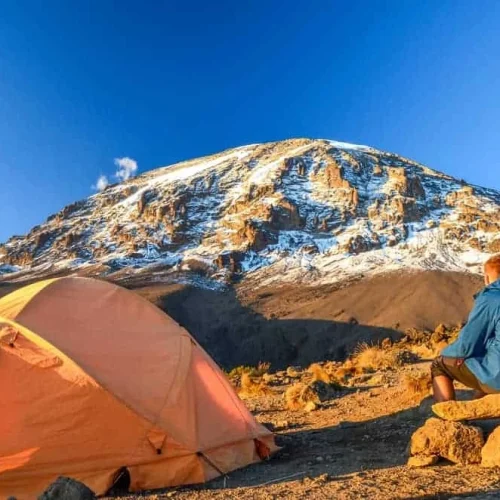
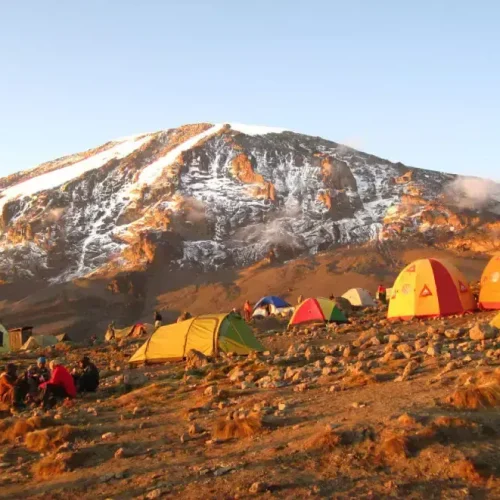
The Kilimanjaro Shira Route is a western approach to Mount Kilimanjaro that crosses the scenic Shira Plateau before joining the Southern Circuit. It is known for its wide mountain views, high-altitude landscapes, and varied terrain.
The Shira Route is considered a challenging Kilimanjaro route, mainly because trekkers begin at a relatively high elevation. The route also includes demanding climbs as it approaches the summit, so good fitness and proper acclimatization are important.
Most Shira Route Kilimanjaro itineraries take around 6 to 8 days, depending on the chosen itinerary and acclimatization schedule. A longer trek generally allows more time to adjust to altitude.
Physically fit beginners can climb the Shira Route with professional guidance and proper preparation. However, its high starting point can make it more demanding for first-time trekkers than routes that begin at lower elevations.
A typical itinerary begins near Shira Gate, crosses the Shira Plateau, and continues through areas such as Moir Camp and Barranco before joining the Southern Circuit. Trekkers then continue toward Karanga and Barafu before attempting Uhuru Peak, followed by descent through Mweka.
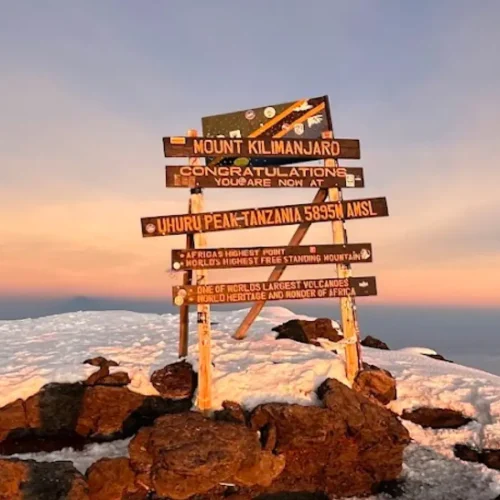
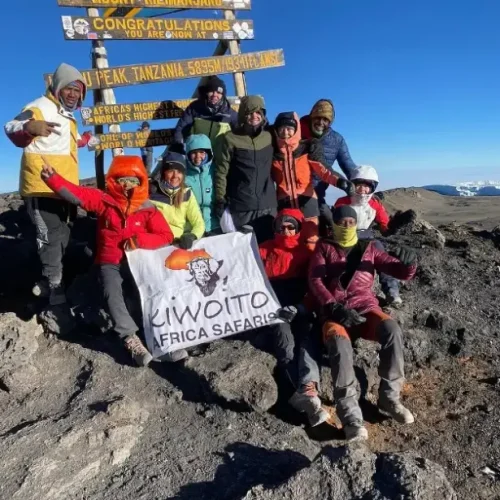
Yes. The Shira Route leads to Uhuru Peak, the highest point of Mount Kilimanjaro at 5,895 metres (19,341 feet) above sea level.
The most popular trekking periods are generally January to March and June to October. These periods often offer more favorable weather, although Kilimanjaro can be climbed throughout the year.
The main attraction is the Shira Plateau, which provides impressive views of Kilimanjaro’s volcanic landscape. The western approach also offers a quieter beginning before the route joins the busier Southern Circuit.
Kiwoito Africa Safaris can organize your Shira Route climb with experienced mountain guides, porters, camping arrangements, meals, park permits, transfers, and pre-trek preparation. We can also help you choose an itinerary that provides appropriate time for acclimatization.
The route can be climbed safely with an experienced mountain guide, proper preparation, suitable equipment, and careful altitude management. Trekkers should follow their guide’s instructions and report symptoms of altitude sickness immediately.