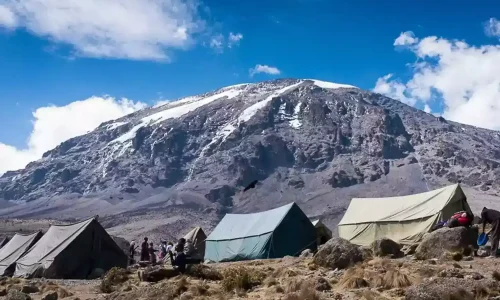
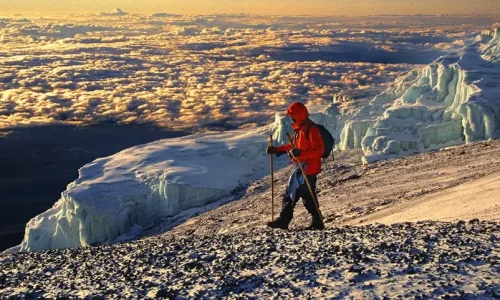
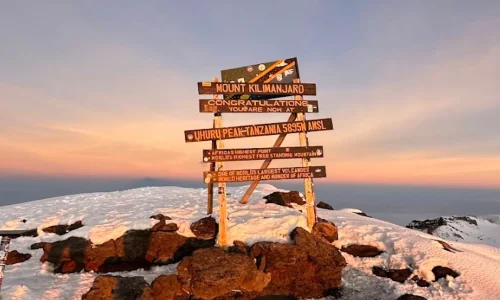
Picture this standing at Uhuru Peak (5,895 m) as the first light of dawn turns the glaciers golden, with endless African plains stretching below. That moment of pure triumph is what awaits you on the 6-day Kilimanjaro trekking Lemosho route, one of the most beautiful and dramatic paths up the mountain.
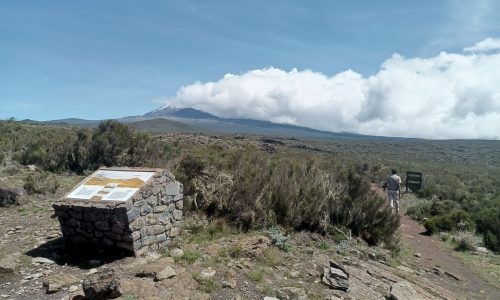
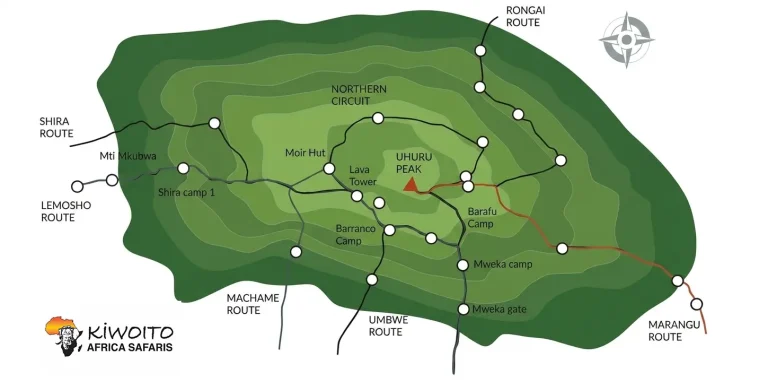
Approaching from the remote western side, you’ll start in lush rainforest buzzing with monkeys and birds, cross the vast Shira Plateau with its sweeping 180-degree panoramas of Kibo, weave past towering glaciers, tackle the thrilling Barranco Wall, and push to the summit. This route shines for its scenery and excellent acclimatization built in, with “climb high, sleep low” days that give your body time to adjust, greatly improving your chances of summiting safely and comfortably.
Ideal for fit adventurers, couples, or small groups who want a less-crowded start (other trekkers join only near the top), this itinerary blends adventure with smart pacing. Our Arusha-based guides know every twist of the trail, every weather shift, and every spot where the views hit hardest, they’ve guided hundreds to the top while keeping safety, health, and respect for the mountain first.
As locals who live in the shadow of Kilimanjaro, we prioritize responsible climbing: fair treatment for our porters and crew, eco-friendly practices, and support for park conservation. Best seasons? June–October or December–February for drier trails and clearer summit views.
Ready to feel the crisp mountain air, the quiet thrill of each step, and the rush of reaching Africa’s highest point? This is your adventure.
Tour Summary
Day 1
Moshi/Arusha – Shira 2 Camp
Day 2
Shira 2 Camp – Lava Tower
Day 3
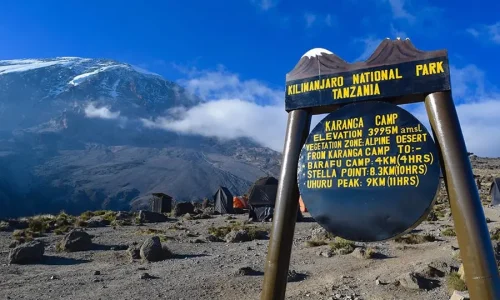
Barranco Camp- Karanga Camp
Day 4
Karanga Camp – Barafu Camp
Day 5
Barafu-Uhuru Peak- Millennium
Day 6
Millennium Camp – Mweka Gate
Book This Trip!
Itinerary
Day 1: Moshi/Arusha to Shira 2 Camp
Elevation: Londorossi Gate (~2,200 m) to Shira 2 (~3,900 m)
Your journey begins with our team picking you up from your hotel in Moshi or Arusha. We do a friendly briefing, checking gear, sharing tips from years on the mountain, and answering any last questions. Then it’s a scenic 3–4 hour drive to Londorossi Gate on Kilimanjaro’s western side.
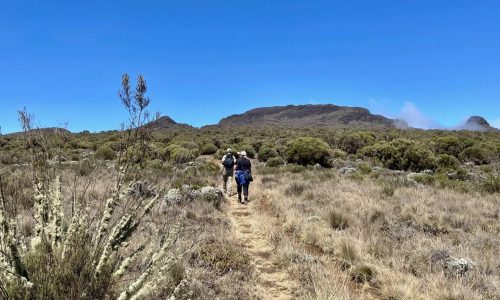
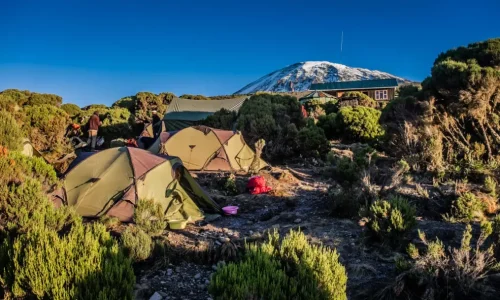
After permits and registration, off-road vehicles carry us higher to the trailhead. The hike starts gently across the Shira Plateau, wide open meadows dotted with wildflowers, heather, and the first breathtaking views of Kibo rising ahead. It’s not too tough today, perfect for easing into altitude and letting your body adjust.
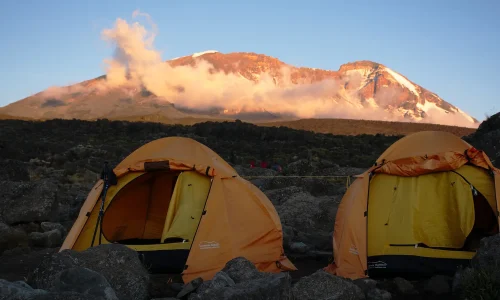
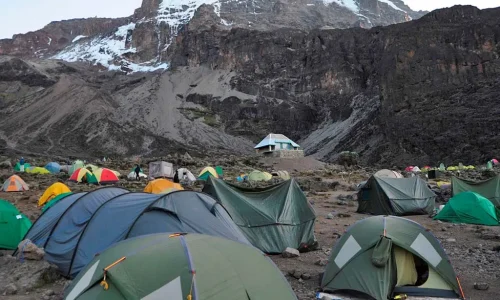
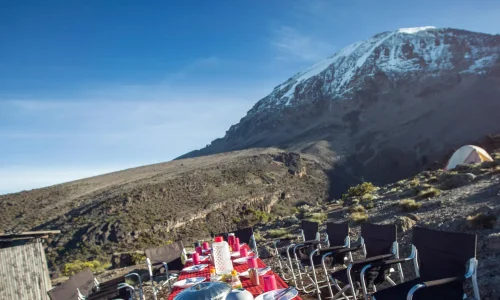
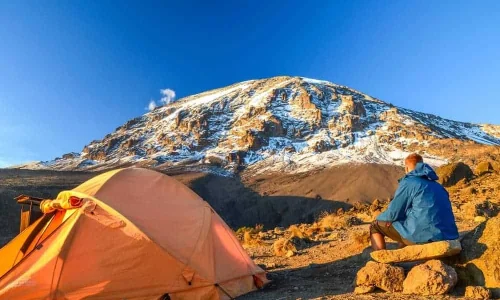
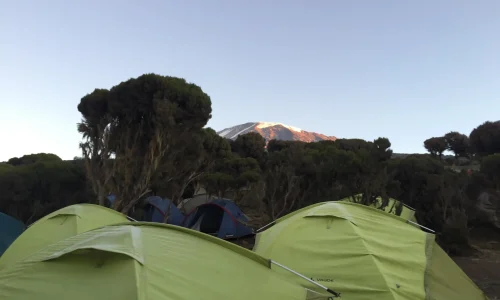
By afternoon, you’ll reach Shira 2 Camp. Our crew has tents pitched, hot water ready, and a warm dinner cooking. Sit outside as the sun sets, breathing in the fresh mountain air and feeling the quiet excitement settle in.
Day 2: Shira 2 Camp to Lava Tower, Descent to Barranco Camp
Elevation: 3,900 m to 4,630 m (Lava Tower), descend to 3,960 m (Barranco)
Hiking Time: 6–8 hours | Distance: ~12 km | Difficulty: Medium | Habitat: Moorland
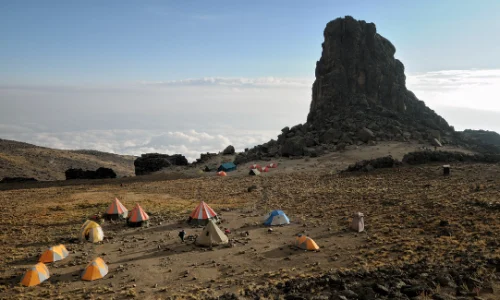
After a hearty breakfast, we trek east toward the striking Lava Tower, a massive volcanic plug that stands like a sentinel. The path rolls with gentle ups and downs, revealing ever-wider views of the glaciers and endless horizon.
We reach Lava Tower around midday for lunch and a good rest at ~4,630 m, this high point helps your body acclimatize without rushing. You’ll feel the thinner air, but our guides keep a steady “pole pole” (slowly slowly) pace and watch everyone closely.
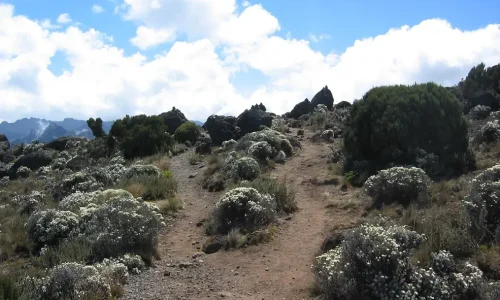
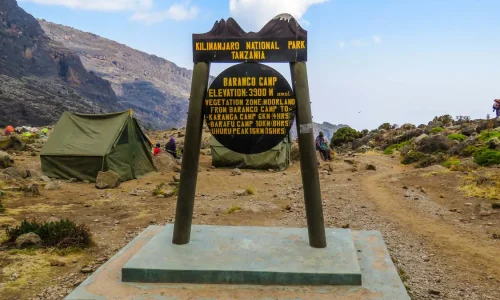
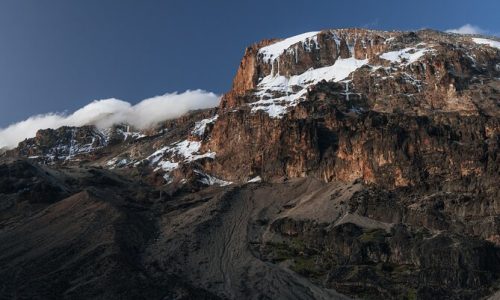
Then the fun descent into Barranco Valley begins. Giant senecios and lobelias line the trail like alien plants, and the landscape turns greener. Arriving at Barranco Camp, the sheer Barranco Wall looms above, it looks intimidating, but tomorrow’s climb is straightforward and exciting with our support. Relax with tea, popcorn, and stories around the mess tent as stars fill the sky.
Day 3: Barranco Camp to Karanga Camp (via Barranco Wall)
Elevation: 3,960 m to 4,035 m
Hiking Time: 4–5 hours | Distance: ~5 km | Difficulty: Medium | Habitat: Moorland
Early start after breakfast, we beat any crowds to the wall. The Barranco Wall scramble is more thrilling than tough: handholds, solid steps, and your guide right there cheering you on. At the top, stop for photos with Kibo’s massive face behind you, the views are unforgettable.
The rest of the day brings rolling ridges and valleys. Our guides set the perfect slow pace for acclimatization. Pass through strange alpine gardens before reaching Karanga Camp. After lunch, we do a short acclimatization hike up ~300 m toward Barafu and back, it boosts adaptation without tiring you out.
Evening means hot soup, dinner, and early rest as summit day nears.
Hiking Time: 4–5 hours | Distance: ~6 km | Difficulty: Medium | Habitat: Alpine desert
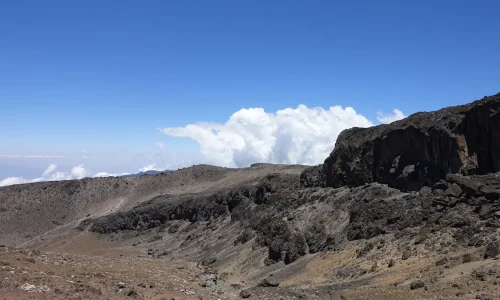
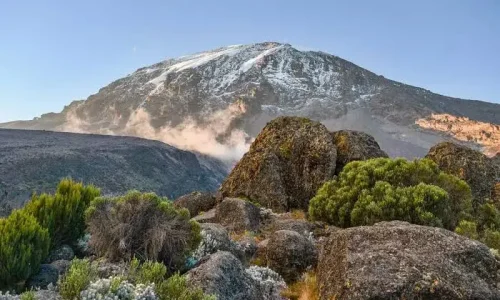
A shorter day to save energy for the push. The trail climbs steadily through rocky, barren terrain, the alpine desert feels stark and otherworldly, with distant glaciers glinting in the sun.
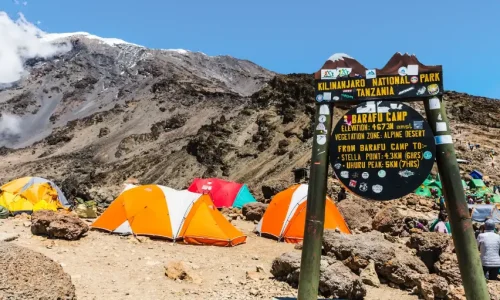
Barafu Camp (“ice” in Swahili) sits on a windy ridge with epic views. Our crew sets up early so you can rest. After lunch, do an acclimatization walk toward Kosovo Camp (~4,800 m) and back.
Use the afternoon to hydrate, nap, and prep gear. Guides check in personally, sharing summit tips and stories. Early dinner, then sleep, wake-up comes around midnight.
Day 5: Barafu Camp to Uhuru Peak Summit, Descent to Millennium Camp
Elevation: 4,640 m to 5,895 m (Uhuru Peak), descend to 3,820 m (Millennium)
Hiking Time: 8–12 hours | Distance: ~15 km | Difficulty: High | Habitat: Arctic/Rock
Summit day! Wake around midnight for tea and light breakfast. Headlamps on, layers zipped, we start the slow zigzag up scree under stars. Pole pole, one breath, one step.
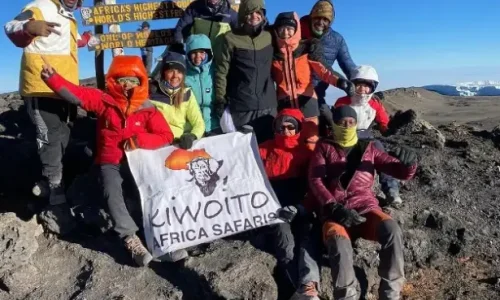
Stella Point (~5,756 m) brings first light and huge relief. From there, a gentler walk along the crater rim to Uhuru Peak. Reaching the sign at 5,895 m, glaciers sparkling, sunrise exploding, Africa below, is magic. Hugs, photos, maybe tears, you’ve summited!
After celebrating, descend to Barafu for rest and brunch, then continue to Millennium Camp in the moorland. Legs heavy, but heart full.
Final descent through thick rainforest, birds calling, air rich with oxygen, trees closing in like a green embrace. At Mweka Gate, sign out, celebrate with the crew, and receive summit certificates.
Our team drives you back to your hotel in Moshi/Arusha for a hot shower, rest, and time to reflect. You’ve climbed Kilimanjaro, a memory that lasts forever.
We’re Arusha locals through and through, our guides have summited countless times and know how to read the mountain, weather, and your energy. We keep groups small for personal care, pay fair wages, support conservation, and focus on safe, joyful climbs over volume.
Travelers pick us for the authentic touch: flexible plans, direct Arusha support, and genuine hospitality that makes the tough moments easier and the triumphs sweeter. With strong reviews and a heart for responsible adventure, we’re committed to your Uhuru success.
Ready for Your Kilimanjaro Summit?
This 6-day Lemosho route with acclimatization offers comfort, safety, and higher chances of reaching the top. Contact us today for a free personalised quote, training tips, or to combine it with a safari. Pole pole, we’ll get you there!
Price
PAX
1 PAX
2 PAX
3 PAX
4 PAX
5 PAX
6 PAX
Price
on request
on request
on request
on request
on request
on request
Inclusions
Safety Equipment
Professional Mountain Guides, all head guides (at least 1 per trip) currently certified by NOLS USA as WFR (Wilderness First Responder)
Park Fees
Campsite fees
Emergency Rescue Fees
Camping equipment and other gears
Mountain Meals
Transfer from the hotel to the starting point
Transfer from the last point to the hotel
Exclusions
Accommodation upon arrival and last day
Tips for a mountain guide, recommended 15-20 per group per day
Porters 5 – 10$ per porter per group per day
Personal expenses
Personal items
Personal insurance/travel insurance
Personal medicines/first aid kit
Personal trekking gears
Sleeping bag
Send us a Message!
Frequently Asked Questions (FAQs)
Do I need previous climbing experience?
No technical climbing experience is needed, since Lemosho is a trekking route rather than a technical ascent. What matters more is a reasonable level of fitness and mental determination, since the days are long and the final push to the summit is physically demanding.
When is the best time to climb Kilimanjaro via Lemosho?
The driest and most popular windows are typically January to mid March and June to October, when trails are clearer and weather is more predictable. Climbing outside these windows is still possible, though rain and cloud cover become more likely.
Will I be trekking with a group or privately?
Both options are available. Joining a scheduled group departure is usually more affordable, while a private trek gives you full control over pace and start dates, arranged just for your party.
What fitness level do I need before attempting this trek?
General fitness such as regular walking, hiking, or cardio training in the months before your trek makes a real difference. You do not need to be an athlete, but building stamina beforehand helps considerably given the six day pace.